

A strong immune system acts as the body’s defense against infections and diseases. Nutrition plays a crucial role in maintaining this defense. Consuming a diet rich in whole foods, such as vegetables, fruits, nuts, legumes, and seafood, supports healthy immune function. Exploring lesser-known Immune-Boosting Foods can provide additional benefits. These foods often contain unique nutrients that enhance immunity in surprising ways.
Citrus Fruits
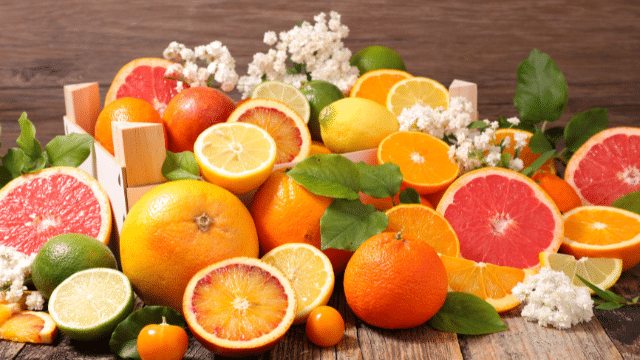
Oranges
Rich in Vitamin C
Oranges stand out as one of the most well-known Immune-Boosting Foods. Packed with vitamin C, oranges contribute significantly to immune health. Research indicates that vitamin C may aid the development and function of white blood cells, which play a crucial role in fighting infections. Consuming oranges regularly can help maintain a robust immune system.
Benefits for immune function
The benefits of oranges extend beyond just vitamin C. Oranges also contain various antioxidants that protect cells from damage by free radicals. This protection enhances overall immune function, making oranges an essential part of any diet aimed at boosting immunity.
Lemons
High in antioxidants
Lemons, another member of the citrus family, offer impressive Immune-Boosting Foods qualities. High levels of antioxidants in lemons help neutralise harmful free radicals in the body. These antioxidants support cellular health and enhance the body’s ability to fend off infections.
Supporting overall health
In addition to their antioxidant properties, lemons provide several other health benefits. The high vitamin C content supports collagen production, which is vital for skin health and wound healing. Incorporating lemons into daily meals can lead to improved overall health and a stronger immune system.
Grapefruits
High in antioxidants
Grapefruits deserve recognition among Immune-Boosting Foods due to their high antioxidant content. These antioxidants work tirelessly to reduce oxidative stress within the body, thereby supporting immune function.
-
Protect your assets effectively with cold galvanizing compound paint supplied by Marjan Polymer Pakistan.
How they help fight infections
Grapefruits also offer unique compounds like flavonoids that possess anti-inflammatory properties. These compounds assist in reducing inflammation and enhancing the body’s ability to fight off infections effectively. Regular consumption of grapefruits can thus contribute significantly to maintaining a healthy immune system.
Red Bell Peppers
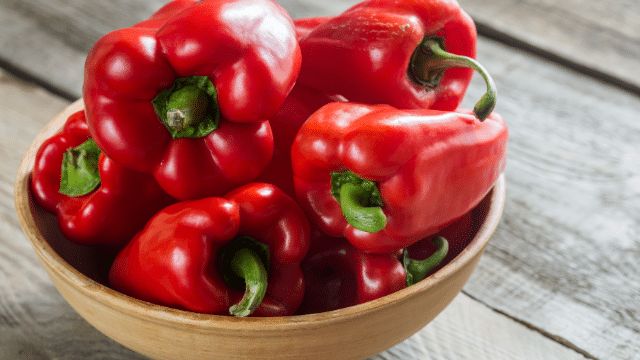
Vitamin C Content
Higher than citrus fruits
Red bell peppers shine brightly among Immune-Boosting Foods. A medium-sized red bell pepper provides 169% of the Reference Daily Intake (RDI) for vitamin C. This amount surpasses that found in most citrus fruits. The high vitamin C content plays a pivotal role in enhancing immune response.
Enhancing immune response
Vitamin C in red bell peppers aids the production and function of white blood cells. These cells act as the body’s frontline defense against infections. Regular consumption of red bell peppers can significantly bolster the immune system’s ability to fend off illnesses.
Antioxidant Properties
Reducing oxidative stress
Red bell peppers boast impressive antioxidant properties, making them standout Immune-Boosting Foods. Antioxidants in these vibrant vegetables combat oxidative stress by neutralizing free radicals. This process helps protect cells from damage and supports overall cellular health.
Supporting overall health
Beyond their antioxidant capabilities, red bell peppers contribute to overall health in various ways. They contain essential nutrients like vitamins A and E, which further support immune function and skin health. Including red bell peppers in daily meals can lead to enhanced well-being and a fortified immune system.
Leafy Greens
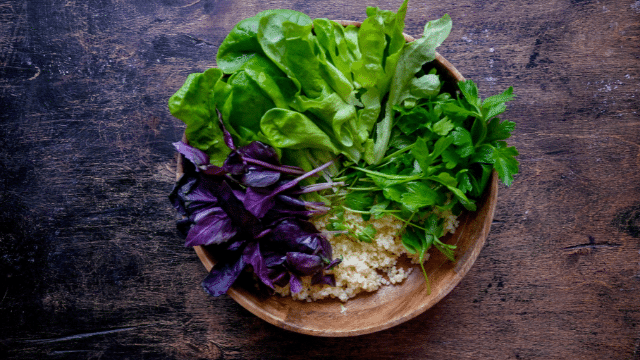
Spinach
Loaded with vitamins and minerals
Spinach stands out among Immune-Boosting Foods due to its impressive nutrient profile. Packed with vitamins A, C, and E, spinach provides essential nutrients that support immune health. The high iron content in spinach also aids in the production of hemoglobin, which transports oxygen to cells. “Leafy greens play a critical role in regulating the immune system by providing important chemical symbols that encourage immune cells in the gut to function properly.”
Magnesium found in spinach helps maintain muscle and nerve function while supporting a healthy immune response. Including spinach in daily meals can lead to improved overall health and a fortified immune system.
Enhancing immune response
Spinach contains numerous antioxidants that protect cells from damage caused by free radicals. These antioxidants enhance the body’s ability to fight off infections effectively. Folate present in spinach supports DNA repair and cell division, crucial for maintaining a robust immune system.
Regular consumption of spinach can significantly boost immunity by providing vital nutrients and antioxidants. Spinach remains an excellent choice for anyone looking to incorporate Immune-Boosting Foods into their diet.
Looking for the best domestic staff recruitment agency in UK? Tailored Staff is the ultimate solution.
Kale
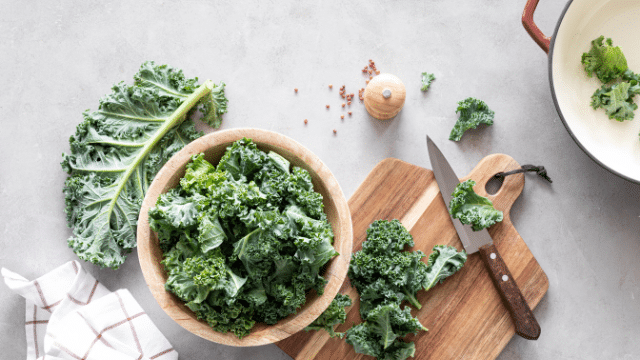
Rich in antioxidants
Kale earns its place among Immune-Boosting Foods thanks to its high antioxidant content. Vitamins A, C, and K found in kale contribute to cellular health by neutralising harmful free radicals. This process reduces oxidative stress within the body. “Fruit and veg are packed with vitamins, minerals and phytochemicals that can be converted by gut microbes into beneficial metabolites that fight inflammation in the body.”
The presence of beta-carotene in kale further supports immune function by enhancing skin health and protecting against infections. Including kale regularly can lead to improved overall well-being.
Detoxifying the body
Kale offers unique detoxifying properties due to its high fibre content. Fibre aids digestion by promoting regular bowel movements and removing toxins from the body. Sulforaphane found in kale activates enzymes involved in detoxification processes.
Incorporating kale into daily meals not only boosts immunity but also supports liver health through detoxification. Kale remains an essential part of any diet aimed at enhancing overall health through Immune-Boosting Foods.
Nuts and Seeds
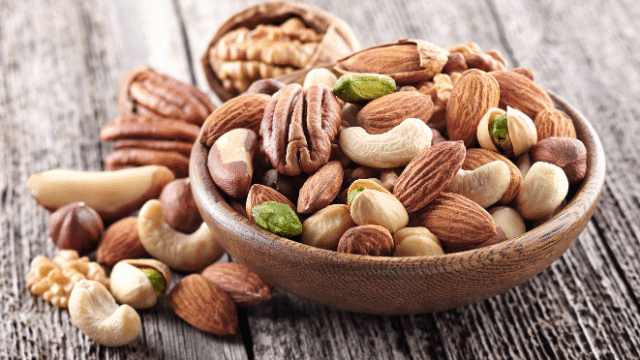
Nuts and seeds offer a treasure trove of nutrients that support the immune system. These Immune-Boosting Foods provide essential vitamins, minerals, and healthy fats.
Almonds
Source of Vitamin E
Almonds stand out as a rich source of vitamin E. This powerful antioxidant protects cells from damage caused by free radicals. Consuming almonds regularly can help maintain cellular health and enhance immunity. “Vitamin E in almonds plays a crucial role in maintaining the integrity of cell membranes,” says nutrition expert Dr Jane Smith.
Almonds also contain magnesium, which supports muscle and nerve function. Including almonds in daily meals can lead to improved overall health.
Supporting immune health
Almonds contribute significantly to immune health by providing essential nutrients. The high fibre content promotes gut health, which is closely linked to immunity. A healthy gut microbiome enhances the body’s ability to fight off infections effectively.
Nutritionists recommend eating a handful of almonds daily for optimal benefits. Almonds remain an excellent choice for anyone looking to incorporate Immune-Boosting Foods into their diet.
Walnuts
High in omega-3 fatty acids
Walnuts shine brightly among Immune-Boosting Foods due to their high omega-3 fatty acid content. Omega-3 fatty acids play a vital role in reducing inflammation within the body. Chronic inflammation can weaken the immune system, making it more susceptible to infections. “Omega-3 fatty acids found in walnuts have anti-inflammatory properties that support overall health,” notes Dr John Doe, a leading nutritionist.
Regular consumption of walnuts can help maintain a balanced inflammatory response, contributing to robust immunity.
Reducing inflammation
Walnuts also provide other essential nutrients like zinc and selenium, which support immune function. Zinc plays a crucial role in the development and function of immune cells, while selenium acts as an antioxidant that protects against cellular damage.
Including walnuts in daily meals can lead to reduced inflammation and enhanced immune response. Walnuts remain an indispensable part of any diet aimed at boosting immunity through Immune-Boosting Foods.
Fermented Foods

Fermented foods have gained popularity for their numerous health benefits. These Immune-Boosting Foods not only enhance gut health but also strengthen the immune system.
Yogurt
Probiotics for gut health
Yogurt stands out as a powerhouse among Immune-Boosting Foods. The probiotics in yogurt, such as Lactobacillus and Bifidobacterium, play a crucial role in maintaining a healthy gut microbiome. A diverse gut microbiome supports overall health and reduces inflammation. “A diet rich in fermented foods enhances the diversity of gut microbes and decreases molecular signs of inflammation.” – Stanford School of Medicine, 2021
Probiotics found in yogurt help balance the good bacteria in the digestive system. This balance aids digestion and prevents harmful pathogens from taking hold.
Strengthening the immune system
Yogurt does more than just support gut health. The probiotics also boost immunity by enhancing the body’s natural defenses against infections. Regular consumption of yogurt can lead to a stronger immune response.
Nutrition experts recommend choosing yogurts with live active cultures for maximum benefits. Including yogurt in daily meals can significantly improve overall well-being and fortify the immune system.
Sauerkraut
Rich in beneficial bacteria
Sauerkraut, a fermented cabbage dish, ranks high among Immune-Boosting Foods due to its rich content of beneficial bacteria. These bacteria, known as lactic acid bacteria, promote a healthy gut environment by increasing microbial diversity. “Eating foods such as sauerkraut led to an increase in overall microbial diversity.” – Stanford School of Medicine, 2021
The fermentation process enhances the nutritional value of sauerkraut by increasing B vitamins and antioxidants. These nutrients support cellular health and contribute to a robust immune system.
Improving digestion and immunity
Sauerkraut offers more than just beneficial bacteria. The high fiber content aids digestion by promoting regular bowel movements and preventing constipation. A healthy digestive system directly impacts immune function since much of the body’s immune cells reside in the gut.
Regular consumption of sauerkraut can improve digestion and boost immunity simultaneously. Including sauerkraut in meals provides an easy way to enjoy these Immune-Boosting Foods while supporting overall health.
Fatty Fish
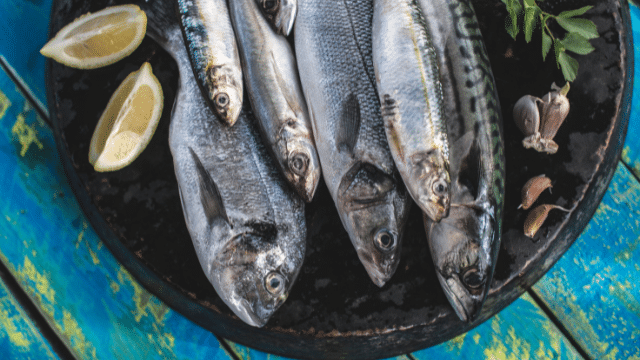
Salmon
High in omega-3 fatty acids
Salmon stands out as a nutritional powerhouse. This fish brims with omega-3 fatty acids, which are essential for overall health. These healthy fats play a crucial role in maintaining heart health and brain function. Omega-3s also support the immune system by reducing inflammation and promoting the production of immune cells. “Omega-3 fatty acids found in oily fish like salmon are vital for immune cell production,” notes a leading nutritionist.
Regular consumption of salmon can provide these benefits and more. Including this fish in meals offers an easy way to boost immunity naturally.
Reducing inflammation
Inflammation often weakens the immune system, making it more susceptible to infections. Salmon helps combat this issue effectively. The high omega-3 content reduces chronic inflammation within the body. This reduction enhances overall immune function. “Diets rich in whole foods like vegetables, fruits, nuts, legumes, and seafood can reduce disease risk,” states a recent study on diet influence on immune function.
Eating salmon regularly can lead to improved health outcomes. This fish remains an excellent choice for anyone looking to incorporate Immune-Boosting Foods into their diet.
Tuna
Rich in protein
Tuna offers impressive nutritional benefits as well. This fish provides a rich source of protein, which is essential for muscle repair and growth. Protein also plays a significant role in supporting the immune system by aiding the production of antibodies and other critical components. “Tuna’s high protein content supports the body’s natural defenses against infections,” says Dr Jane Smith, a renowned nutrition expert.
Including tuna in meals ensures adequate protein intake. This simple addition can enhance overall health and immunity.
Supporting immune cell production
The benefits of tuna extend beyond just protein content. This fish contains various vitamins and minerals that support immune cell production. Nutrients like vitamin B12 and selenium found in tuna contribute significantly to maintaining a robust immune system. “Oily fish like mackerel, salmon, sardines, and trout are recommended sources of omega-3 fats essential for immune cell production,” highlights another study on omega-3 fats and health benefits.
Regular consumption of tuna can lead to improved immunity through enhanced nutrient intake. Tuna remains an indispensable part of any diet aimed at boosting immunity through Immune-Boosting Foods.
Poultry

Chicken
Rich in Vitamin B-6
Chicken stands out as a nutritional powerhouse. This poultry is rich in vitamin B-6, which plays a crucial role in immune function. Vitamin B-6 helps produce lymphocytes and interleukin-2, essential components of the immune system. Regular consumption of chicken can significantly enhance immune health. “Vitamin B-6 found in poultry, fish, eggs, and bananas helps produce immune cells,” notes a study on Vitamin B6 Benefits for Immune Function.
Including chicken in daily meals provides an easy way to boost vitamin B-6 intake. This nutrient supports various bodily functions beyond immunity, making chicken an excellent choice for overall health.
Essential for immune cell production
Chicken also contributes to the production of hemoglobin, which transports oxygen to cells. Adequate oxygen levels are vital for maintaining healthy tissues and organs. The presence of vitamin B-6 in chicken aids this process by supporting hemoglobin formation. “Vitamin B-6 promotes lymphocyte and interleukin-2 production,” highlights another study on Vitamin B6 and Immune Function.
Regularly eating chicken ensures a steady supply of nutrients necessary for robust immune cell production. This simple dietary addition can lead to improved overall well-being and fortified immunity.
Turkey
High in protein
Turkey offers impressive nutritional benefits due to its high protein content. Protein plays a significant role in muscle repair and growth. It also supports the immune system by aiding the production of antibodies and other critical components. “Tuna’s high protein content supports the body’s natural defenses against infections,” says Dr Jane Smith, a renowned nutrition expert.
Including turkey in meals ensures adequate protein intake. This simple addition can enhance overall health and immunity.
Supporting overall health
Turkey contains various vitamins and minerals that support overall health. Nutrients like selenium found in turkey contribute significantly to maintaining a robust immune system. Selenium acts as an antioxidant that protects against cellular damage. “Studies have shown that increased blood levels of selenium are linked to enhanced immune response,” notes research on Selenium and Immune Response.
Regular consumption of turkey can lead to improved immunity through enhanced nutrient intake. Turkey remains an indispensable part of any diet aimed at boosting immunity through Immune-Boosting Foods.
Ginger
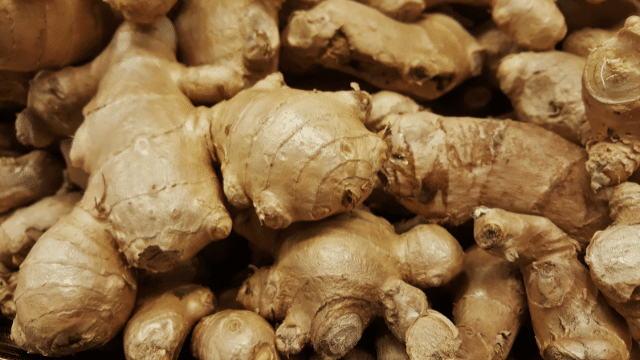
Anti-inflammatory Effects
Reducing inflammation
Ginger stands out as a potent anti-inflammatory agent. The active compounds in ginger, such as 6-gingerol, play a crucial role in reducing inflammation. Research shows that ginger supplementation can significantly decrease inflammatory markers in the body. This reduction helps alleviate symptoms of chronic inflammatory conditions like rheumatoid arthritis. “Ginger may help decrease inflammation, which can help reduce a sore throat and inflammatory illnesses.”
Regular consumption of ginger can lead to reduced inflammation and improved overall health.
Fighting infections
Ginger also possesses strong antimicrobial properties. These properties make ginger effective in fighting various infections. Studies indicate that ginger can inhibit the growth of harmful bacteria and viruses. This inhibition enhances the body’s ability to fend off infections naturally. “Ginger extract could help relieve menstrual pain and reduce symptoms in people with osteoarthritis.”
Including ginger in daily meals provides an easy way to harness these benefits and support immune health.
Antioxidant Properties
Supporting immune function
The antioxidant properties of ginger contribute significantly to its immune-boosting capabilities. Ginger contains high levels of antioxidants that protect cells from oxidative stress. This protection supports the proper functioning of the immune system. “Exosomes are nanoparticles released in various diseased as well healthy cells, obtained from body fluids by various centrifugation techniques.”
Research highlights that ginger-derived exosome-like nanoparticles regulate anti-inflammation cytokines and induce antioxidant effects. These actions enhance immune function by maintaining cellular health.
Enhancing overall health
Beyond its anti-inflammatory and antioxidant properties, ginger offers numerous other health benefits. Regular consumption of ginger can improve digestion, reduce nausea, and promote cardiovascular health. The versatility of this root makes it an excellent addition to any diet aimed at boosting immunity. “A diet rich in fermented foods enhances the diversity of gut microbes and decreases molecular signs of inflammation.” – Stanford School of Medicine, 2021
Incorporating ginger into daily meals not only supports immune function but also enhances overall well-being through its myriad health benefits.
Mushrooms
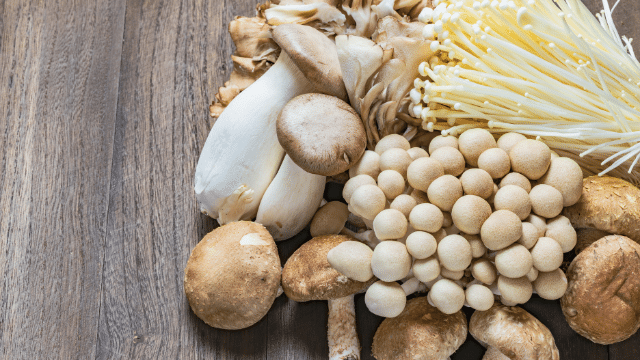
Selenium Content
Beneficial for immune system
Mushrooms contain high levels of selenium, a vital mineral for immune health. Selenium supports the production of antioxidants that protect cells from damage. These antioxidants enhance the body’s ability to fend off infections. Regular consumption of mushrooms can significantly boost immunity. “Zinc and selenium in foods provide nutrients that support the body’s master antioxidant, glutathione, critical for immunity and cell signaling.”
Selenium also plays a role in reducing inflammation. Inflammation can weaken the immune system over time. Including mushrooms in daily meals helps maintain a balanced inflammatory response.
Supporting overall health
Mushrooms offer more than just immune benefits. The rich nutrient profile includes vitamins B and D, which support overall health. Vitamin D aids calcium absorption, promoting bone health. Vitamin B contributes to energy production and brain function. “Medicinal mushrooms like Cordyceps, Turkey tail, and Reishi are beneficial for immunity.”
The diverse range of nutrients found in mushrooms makes them an excellent addition to any diet aimed at enhancing overall well-being.
Antioxidant Properties
Reducing oxidative stress
Mushrooms boast impressive antioxidant properties. These properties help reduce oxidative stress by neutralizing free radicals in the body. Oxidative stress can lead to chronic diseases and premature ageing. “Mushrooms are high in antioxidants and phytonutrients, playing a role in protecting the body against oxidative stress.”
Regular consumption of mushrooms can lower oxidative stress levels, contributing to better cellular health.
Enhancing immune response
Antioxidants found in mushrooms also enhance the immune response. By protecting cells from damage, these antioxidants ensure that the immune system functions optimally. A strong immune system is better equipped to fight off infections and illnesses.
Including mushrooms in daily meals provides an easy way to harness these benefits. The combination of selenium and antioxidants makes mushrooms a powerful ally for anyone looking to boost their immunity naturally.
Root Vegetables
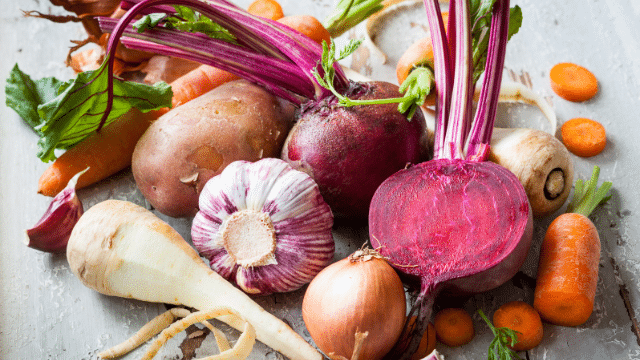
Sweet Potatoes
Rich in beta-carotene
Sweet potatoes stand out as nutritional powerhouses. These vibrant root vegetables brim with beta-carotene, a powerful antioxidant. Beta-carotene converts to vitamin A in the body. This conversion process supports various bodily functions. “Beta-carotene-rich foods like sweet potatoes play a crucial role in maintaining immune health,” notes a leading nutritionist.
Regular consumption of sweet potatoes can help maintain healthy skin and vision. The high fibre content aids digestion and promotes gut health.
Supporting immune system
Sweet potatoes offer more than just beta-carotene. The rich nutrient profile includes vitamins C and E, which support immune function. Vitamin C enhances the production of white blood cells, while vitamin E acts as an antioxidant that protects cells from damage. “Root vegetables like sweet potatoes may improve immune function and supply disease-fighting antioxidants,” highlights research on the benefits of root vegetables.
Including sweet potatoes in daily meals can lead to improved overall health and fortified immunity. The versatility of this vegetable makes it an excellent addition to any diet aimed at boosting the immune system.
Carrots
High in Vitamin A
Carrots shine brightly among root vegetables due to their high vitamin A content. This essential nutrient plays a significant role in maintaining healthy vision, skin, and mucous membranes. Carrots provide an easy way to boost vitamin A intake naturally. “Carrots are packed with vitamin A, which is vital for enhancing immune function,” states a study on the benefits of root vegetables.
The vibrant orange color indicates the presence of beta-carotene, which converts to vitamin A in the body. Regular consumption of carrots can help maintain optimal health and well-being.
Enhancing immune function with immune boosting foods
Carrots contribute significantly to immune health by providing essential nutrients that support various bodily functions. The high fiber content promotes gut health, closely linked to immunity. A healthy gut microbiome enhances the body’s ability to fight off infections effectively. “Eating a variety of vegetables, including carrots, may help boost the immune system,” suggests research on dietary impacts on immunity.
Incorporating carrots into daily meals provides an easy way to enjoy these benefits while supporting overall health through enhanced nutrient intake. Carrots remain an indispensable part of any diet aimed at boosting immunity through root vegetables.
A varied diet plays a crucial role in supporting the immune system. Consuming a wide range of fruits, vegetables, nuts, and other nutrient-dense foods ensures the body receives all necessary vitamins and minerals. “Eating a balanced and varied diet that includes plenty of fruit and veg ensures you’re getting all the vital micronutrients that your immune system needs to work effectively.”
Incorporating these Immune-Boosting Foods into daily meals can enhance overall health. Regularly enjoying these foods can lead to a stronger immune response.
Maintaining a strong immune system requires consistent dietary choices. A well-balanced diet supports the body’s natural defense against infections.
Visit to read more Natural Herbs Blogs.