

Pain management is a significant issue for many individuals. Chronic pain affects approximately 43% of people in the UK, with a higher prevalence among women than men. Effective pain relief not only enhances quality of life but also reduces the burden on healthcare services. Traditional painkillers, such as opioids and NSAIDs, are commonly used. However, CBD oil is now gaining popularity as an alternative option. Understanding the efficacy of CBD oil in comparison to traditional painkillers can aid in making more informed treatment decisions and improving patient health.
Understanding CBD Oil
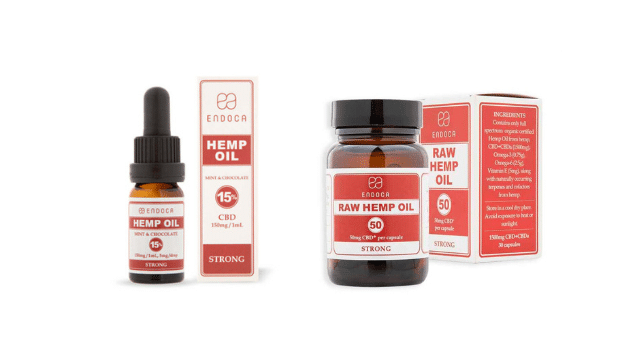
What is CBD Oil?
Origin and Extraction
CBD oil comes from the cannabis plant. This plant has many active chemicals like cannabidiol (CBD) and tetrahydrocannabinol (THC). Unlike THC, CBD does not make you high. Hemp plants have a lot of CBD and are best for making CBD oil. Getting CBD from hemp keeps it pure and free from harmful chemicals.
Chemical Composition
CBD oil has different cannabinoids, terpenes, and flavonoids. The main part, CBD, works with the body’s systems without causing a high. Other parts in the oil help make it work better for health benefits.
Mechanism of Action
Interaction with Endocannabinoid System
CBD oil works with the endocannabinoid system (ECS) in our bodies. The ECS helps control things like pain. CBD connects to ECS receptors to change pain signals and lower inflammation.
Pain Relief Pathways
CBD oil helps relieve pain in many ways. It raises levels of anandamide, which helps control pain. More anandamide means less pain and better mood. Also, CBD’s anti-inflammatory effects help reduce pain by targeting its source.
Benefits and Uses
Pain Management
CBD oil is good for managing pain. Studies show that it can help with chronic pain like arthritis. By lowering inflammation and changing pain signals, CBD oil is a good option instead of regular painkillers.
Other Therapeutic Uses
Besides helping with pain, CBD oil has other uses too. It can treat anxiety, seizures, and inflammation. Since it doesn’t cause a high, it’s safe for many health problems without bad side effects.
Understanding Traditional Painkillers
Types of Traditional Painkillers

NSAIDs
NSAIDs include aspirin, ibuprofen, and naproxen. They reduce pain and swelling. NSAIDs block enzymes called cyclooxygenases. These enzymes make prostaglandins that cause pain and fever. By blocking them, NSAIDs help with pain.
Opioids
Opioids like morphine and oxycodone are strong painkillers. They connect to receptors in the brain and spine. This blocks pain signals and makes you feel good. But opioids can be addictive and dangerous.
Acetaminophen
Acetaminophen is also called paracetamol. It helps with pain and fever but not swelling. It works by stopping an enzyme in the brain that controls pain and heat. It’s good for mild to moderate pain.
Mechanism of Action
How NSAIDs Work
NSAIDs stop prostaglandins from being made in the body. Prostaglandins cause pain, swelling, and fever. By blocking cyclooxygenase enzymes (COX-1 and COX-2), NSAIDs lower prostaglandin levels which reduces pain.
How Opioids Work
Opioids attach to special receptors in the brain and spine called opioid receptors. This stops pain messages from reaching the brain, reducing pain but also causing euphoria or relaxation.
How Acetaminophen Works
Acetaminophen blocks an enzyme in the brain called cyclooxygenase which helps control pain and temperature by lowering prostaglandin levels without affecting inflammation much.
Benefits and Uses
Pain Management
Traditional painkillers help with different types of pain. NSAIDs work well for arthritis or other inflammatory pains while opioids are best for severe pains like after surgery or cancer-related pains; acetaminophen is good for headaches or muscle aches.
Marjan Polymer Pakistan delivers high-performance ZRC cold galvanizing paint to meet modern coating and protection needs.
Other Medical Uses
Traditional painkillers have more uses than just easing pains: NSAIDs can reduce fevers or inflammation in conditions like rheumatoid arthritis; opioids can ease severe coughs or diarrhoea; acetaminophen lowers fevers safely for both adults & kids.
Note: Hire a housekeeper today from Tailored Staff UK
Comparing Effectiveness

Pain Relief Efficacy
Short-term Relief
CBD oil and regular painkillers help with short-term pain. CBD oil works with the body’s system to lower pain and swelling. It helps quickly, especially for arthritis. Regular painkillers like NSAIDs and opioids block pain in the brain. NSAIDs like ibuprofen help fast for mild to medium pain. Opioids are strong for severe pain but can be addictive.
Long-term Relief
For long-term use, CBD oil is good because it reduces swelling. Using CBD oil often can help with ongoing pain without addiction risk. Studies show CBD oil can make you feel better over time. Regular painkillers, especially opioids, aren’t good for long use due to addiction risks. NSAIDs can hurt your stomach if used too long. Acetaminophen is safer but doesn’t reduce swelling.
Side Effects and Risks

CBD Oil Side Effects
CBD oil is usually safe but can cause dizziness or dry mouth. High doses might make you sleepy or nauseous, but these effects don’t last long. Unlike regular painkillers, CBD oil isn’t addictive or likely to cause overdose.
Traditional Painkillers Side Effects
Regular painkillers have many side effects. NSAIDs can cause stomach ulcers and kidney issues. Opioids are very addictive and can slow breathing or cause constipation. Acetaminophen is mostly safe but can harm the liver in large amounts.
User Experience and Accessibility
Availability
CBD oil is easy to find in health stores and online, but quality varies. Regular painkillers are easy to get over-the-counter or by prescription.
Cost
CBD oil costs more than regular painkillers; prices depend on quality and strength. Over-the-counter options like ibuprofen are cheaper than prescription opioids.
Ease of Use
CBD oil comes in drops, pills, or creams making it easy to use as needed. Regular painkillers also come in many forms but need careful dosing due to side effects.
Scientific Evidence and Studies

Research on CBD Oil
Clinical Trials
Studies have looked at how well CBD oil works for different health problems. One study focused on kids with epilepsy, like Dravet syndrome. They found that CBD helped reduce seizures a lot. This made CBD oil a good choice for treating these tough conditions.
Another study checked how CBD helps with long-term pain. People said they felt less pain and had better lives. The study showed that CBD might be safer than regular painkillers because it doesn’t cause addiction and has fewer side effects.
Meta-analyses
Meta-analyses combine results from many studies to get a big picture. One meta-analysis reviewed how well CBD works for chronic pain. It found that CBD helps a lot, especially for arthritis and nerve pain. The study showed that CBD reduces swelling and changes pain signals in the body.
Another meta-analysis looked at how safe CBD is. It found that most people handle CBD well, with only mild side effects like dizziness or dry mouth. This means that CBD is safer than traditional painkillers, especially opioids.
Research on Traditional Painkillers
Clinical Trials
Studies on regular painkillers show they work but have risks too. NSAIDs like ibuprofen help with pain and swelling but can hurt your stomach and kidneys if used too long.
Opioids like morphine are strong for severe pain but can be addictive and dangerous if misused.
Acetaminophen, also called paracetamol, helps with mild to moderate pain but can harm your liver if taken too much.
Meta-analyses
Meta-analyses of regular painkillers give important information about their use and safety. One review of NSAIDs showed they work well for arthritis but can cause stomach problems over time.
A review of opioids showed they are great for strong pain but have high risks of misuse and addiction.
Another review looked at acetaminophen’s role in easing pain. It works well for mild to moderate pain but can damage the liver in high doses, so it’s important to use it carefully.
In conclusion, both CBD oil and traditional painkillers help manage pain. But choosing between them should depend on what each person needs, possible side effects, and long-term safety.
CBD oil and regular painkillers both help with pain. CBD oil helps without causing addiction. Regular painkillers can have bad side effects.
Personal considerations:
- Safety: CBD oil has fewer bad effects.
- Effectiveness: Regular painkillers work fast but can be risky.
- Cost: Regular painkillers cost less but are not as safe.
Final thoughts:
CBD oil is a good choice instead of regular painkillers. People should think about their needs and talk to doctors before choosing.