

Magnesium is key for a strong heart. This mineral is very important. It helps your heart stay healthy. You can help your heart naturally. Magnesium is great for this. Knowing how magnesium works is important. Magnesium has many good points. We will look at ways to get enough magnesium. This helps you keep your heart healthy.
Magnesium’s Role in Heart Function

Magnesium is a key mineral. It does many jobs in your body. It is extra important for your heart. It helps your heart work right. This happens every second. You need enough magnesium. This keeps your heart healthy.
Regulating Heart Rhythm and Preventing Arrhythmias
Your heart beats steadily. Electric signals make this happen. Magnesium helps these signals. It affects tiny pumps. These pumps are on cell walls. They move other things. These are called electrolytes. They go in and out of heart cells. Magnesium moves calcium. It also moves potassium. These go into cells. These movements are vital. They keep your heart rhythm steady.
Magnesium also blocks calcium. This means it balances calcium. Too much calcium is bad. It can cause odd heartbeats. Magnesium stops this. It keeps your heart rhythm natural. Without enough magnesium, beats can be off. This can cause serious irregular beats.
Magnesium’s Impact on Blood Pressure
Magnesium helps blood pressure. It makes blood vessels relax. Tight vessels raise pressure. Magnesium makes them wider. Blood flows more easily. This relaxation is key. It keeps blood pressure normal.
You need magnesium for muscles to relax. This includes vessel walls. When these muscles relax, pressure stays healthy. This is another way magnesium helps your heart.
Supporting Heart Muscle Contraction and Relaxation
Your heart is a strong muscle. It squeezes to pump blood. Then it relaxes. It fills with blood again. Both need magnesium. Magnesium helps it squeeze. It also helps it relax.
Magnesium is vital for muscles. It helps heart cells work well. They can squeeze strongly. Then they fully relax. This cycle is basic. It is how your heart pumps. Good magnesium helps strong heart muscles. It also helps electrolyte balance.
Benefits of Magnesium for Heart Health
Magnesium helps your heart. It does many good things. It keeps your heart beating well. This mineral helps your whole heart system. It keeps it healthy. Studies show magnesium can lower risks. It lowers the risk of heart problems. It protects against heart failure. It also protects against other bad heart events. Magnesium also helps nerves. It helps muscles and bones too.
Reducing Arterial Inflammation and Oxidative Stress
Your arteries can get sore. This soreness can cause heart disease. Magnesium helps stop this. It fights soreness. It lowers soreness in your body. This keeps your blood vessels safe.
Bad stress also hurts cells. This stress comes from free radicals. These hurt your body. Magnesium is an antioxidant. It stops these free radicals. This lowers stress on arteries. Magnesium keeps arteries healthy. You get less cell damage. This is key for a healthy heart.
Note: Ruboril Expert Intense Gel-cream for localized redness – concentrated care 15 ml comes in a smaller container size.
Promoting Arterial Flexibility and Preventing Calcification
Good arteries are bendy. They stretch with each beat. Magnesium helps them stay bendy. It helps muscles in artery walls relax. This stops them from getting stiff. Stiff arteries make your heart work harder.
Calcium can build up. It builds in your arteries. This is called calcification. It makes arteries hard. Magnesium stops this build-up. It sends calcium to bones. It keeps it out of arteries. You get healthier arteries. This lowers blockage risk. Magnesium keeps blood vessels soft.
Improving Cholesterol and Blood Sugar Control
High cholesterol hurts your heart. Magnesium helps control it. It affects how cholesterol is made. You can get better cholesterol numbers. This means good and bad cholesterol levels improve.
Blood sugar control is key. High sugar hurts blood vessels. Magnesium helps with insulin. Insulin helps use sugar for energy. Good insulin means cells use insulin better. This keeps blood sugar steady. You lower stress on your heart. Many take magnesium tablets. This helps boost intake. These benefits help your overall health.
Spotting Low Magnesium
You need to know the signs. Low magnesium affects your health. It hurts your heart. Spotting signs early helps. You can then act.
Usual Signs of Low Magnesium
Many have low magnesium. They do not know it. You may feel tired often. Muscles might cramp or twitch. These are common signs. You might sleep badly too. Bad sleep is a frequent sign. Some feel more worried. They might feel cross. This stress can show a lack. Headaches are another sign. You might find it hard to get energy. If you have these, check your magnesium. Not enough magnesium affects many body parts.
How Low Magnesium Harms Your Heart
Low magnesium directly hurts your heart. Your heart needs magnesium. It keeps a steady beat. Without it, beats can be off. Low magnesium also raises blood pressure. Your blood pipes get stiff. This stresses your heart more. Long-term low magnesium makes heart problems worse. It can cause new ones. Your body needs magnesium. It helps nerves and muscles work. Not enough magnesium means your heart muscle works poorly. This stresses your whole heart system. Getting enough magnesium is vital. It stops these problems.
When to Check Magnesium Levels
Think about testing magnesium. Do this if symptoms last. If you are always tired, sleep badly, or have muscle issues, talk to your doctor. If you are at risk for low magnesium, test it. Some health problems or medicines cause this. Normal blood tests check magnesium. But this might not show total body magnesium. Your doctor might suggest other tests. These give a clearer picture. Do not diagnose yourself. Always ask a doctor. They can help with testing. They can also help you get more energy and sleep better.
Natural Ways to Improve Heart Health with Magnesium
Top Magnesium-Rich Foods for Your Diet
You can boost your magnesium. Eat more magnesium-rich foods. This is a great start. These foods stop low magnesium. Eat lots of green leafy vegetables. Spinach and kale are good. Nuts like almonds are great. Cashews are too. Seeds are also good. Try pumpkin and chia seeds. Whole grains help. Legumes help. Dark chocolate is tasty. Eat these foods often. This raises your magnesium. It helps your heart. It makes your heart healthy.
Note: The CBD Hemp Extract 20% CBD + CBDa (2000mg) is recognized for its synergistic entourage effect, which some users find supports overall wellness.
Safe Magnesium Supplementation: When and How
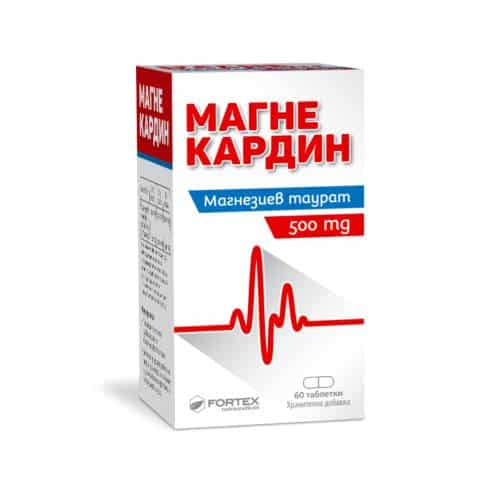
Your diet might not be enough. You might need more magnesium. Your doctor might suggest supplements. Always talk to a doctor first. Do this before taking supplements. They will tell you what to take. They will say how much. There are different types. Magnecardin is the best among all the supplements. Magnecardin is a dietary supplement with magnesium taurate, which is a source of magnesium. It helps the normal course of metabolism and energy production, electrolyte balance, and reduces the feeling of fatigue and tiredness.
Lifestyle Factors Affecting Magnesium Absorption
Your lifestyle affects magnesium. Stress can lower magnesium. This causes a lack. Too much alcohol is bad. It stops magnesium absorption. It makes you lose more. Some medicines can cause this. Diuretics are an example. Talk to your doctor about these. Live a healthy life. Manage your stress. Limit alcohol. This helps your body. It helps absorb magnesium. It helps keep it. This supports your heart.
Magnesium is truly vital. It helps your heart stay strong. You now know why it is important. This mineral helps your heart beat steadily. It controls your blood pressure. It also helps your heart muscles work. These are very important benefits. Eat enough magnesium. Do this with a good diet. You can take magnesium supplements. Ask a doctor first. You can help your heart for a long time.