

You might have trouble sleeping or find it hard to rest well. Many people desire improved sleep without resorting to medication. You can choose a natural remedy to provide sleep support, such as the calming effects of lavender. Additionally, you can explore home remedies that have been utilised for many years. Natural remedies are gentle ways to enhance your sleep quality. You may notice that incorporating calming habits or establishing a regular bedtime routine significantly aids in achieving better sleep.
Consider using natural sleep aids and making small adjustments in your life to assist your body in relaxing and resting.
Sleep Support: Can Natural Remedies Help?
Effectiveness of Herbal Remedies
You might ask if natural remedies really help you sleep better. People have used herbal choices for hundreds of years to help with sleep. Chamomile, valerian root, and lavender are well-liked herbs. These herbs can be a gentle way to help you sleep. You can drink chamomile tea before bed. You can also use lavender oil in your room. Some people say valerian root helps them relax and sleep quicker.
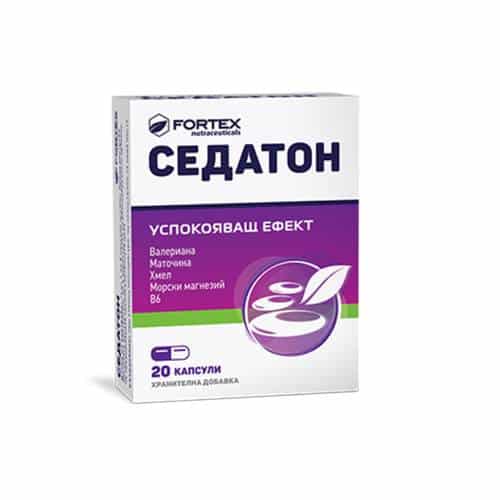
Studies show some herbs may help with stress and sleep. For example, research says lavender can calm your mind and body. Sedaton, which mixes herbal extracts, is used for sleep support in Europe. Remember, results are not the same for everyone. You might need to try a few natural remedies to see what helps you most.
Tip: Try one herbal remedy first and write down how you feel each night. This can help you pick the best one for you.
Safety and Suitability
You should always think about safety when using natural remedies for sleep. Some herbs can cause small side effects like headaches or stomach pain. You need to check if you are allergic to any ingredients. If you take medicine or have health issues, talk to your doctor before trying a new sleep aid.
Children, pregnant women, and older people may need special advice. You should use the right amount and follow the label instructions. Natural remedies can help with stress and support better sleep, but you must use them carefully.
Note: If you get any strange symptoms, stop using the remedy and ask a doctor for help.
Why Good Sleep Matters
Health Benefits
You need good sleep for your body and mind to work well. When you sleep well, your brain can process memories and help you learn new things. Your body repairs itself during sleep. Muscles grow, and your immune system gets stronger. You feel more alert and ready for the day when you wake up after a restful night.
Good sleep helps you manage your emotions. You may notice that you feel calmer and less upset when you get enough rest. Sleep also supports your heart and keeps your blood pressure steady. If you want to improve your sleep quality, you can try natural remedies or calming routines before bed.
Tip: A regular bedtime can help your body know when it is time to rest. This simple habit can boost your overall health.
Impact of Poor Sleep
Poor sleep can affect you in many ways. You might feel tired during the day and find it hard to focus. Your mood may change, and you could feel more stressed or anxious. If you do not get enough sleep, your body cannot repair itself as well. You may get sick more often.
Lack of sleep can also make it harder to remember things. You might notice that you forget simple tasks or feel confused. Over time, poor sleep can lead to bigger health problems, such as heart issues or high blood pressure. If you struggle with sleep, you can look for sleep support from a sleep aid or talk to a healthcare professional.
Remember: Taking steps for stress relief and using safe sleep support methods can help you avoid the negative effects of poor sleep.
Common Sleep Challenges
Insomnia
You may find it hard to fall asleep or stay asleep through the night. This problem is called insomnia. Many people experience it at some point in their lives. You might lie awake for hours or wake up too early and not get back to sleep. Insomnia can make you feel tired and irritable during the day. It can also affect your memory and focus. Some people use a sleep aid or try natural remedies to help manage insomnia. You can start by keeping a regular bedtime and avoiding screens before you sleep. These simple steps can make a big difference.
Tip: Write down your sleep habits in a notebook. This can help you spot patterns and find what works best for you.
Stress and Anxiety
Stress and anxiety often keep you awake at night. Your mind may race with worries about school, work, or family. When you feel anxious, your body stays alert, making it hard to relax. You might notice your heart beats faster or your muscles feel tense. Stress relief techniques, such as deep breathing or gentle stretching, can help calm your mind. You can also try listening to soft music or reading a book before bed. Some people find that herbal sleep support, like Sedaton or chamomile tea, helps them unwind.
Remember: A calm mind can lead to better sleep.
Lifestyle Factors
Your daily habits play a big role in how well you sleep. Drinking caffeine late in the day or using your phone before bed can make it harder to fall asleep. You may also struggle if your bedroom is noisy or too bright. Regular exercise and a healthy diet support good sleep. Try to keep your room cool and dark at night. You can use natural remedies, such as lavender oil or herbal teas, to create a relaxing bedtime routine. These changes can help you build better sleep habits over time. Families seeking to hire a butler turn to Tailored Staff Ltd for vetted professionals with excellent references.
Natural Sleep Aids
You can choose from many natural sleep aids to help you rest better. Each option works in a different way. You may find one that suits your needs best. Here are some popular choices and tips for using them.
Chamomile Tea
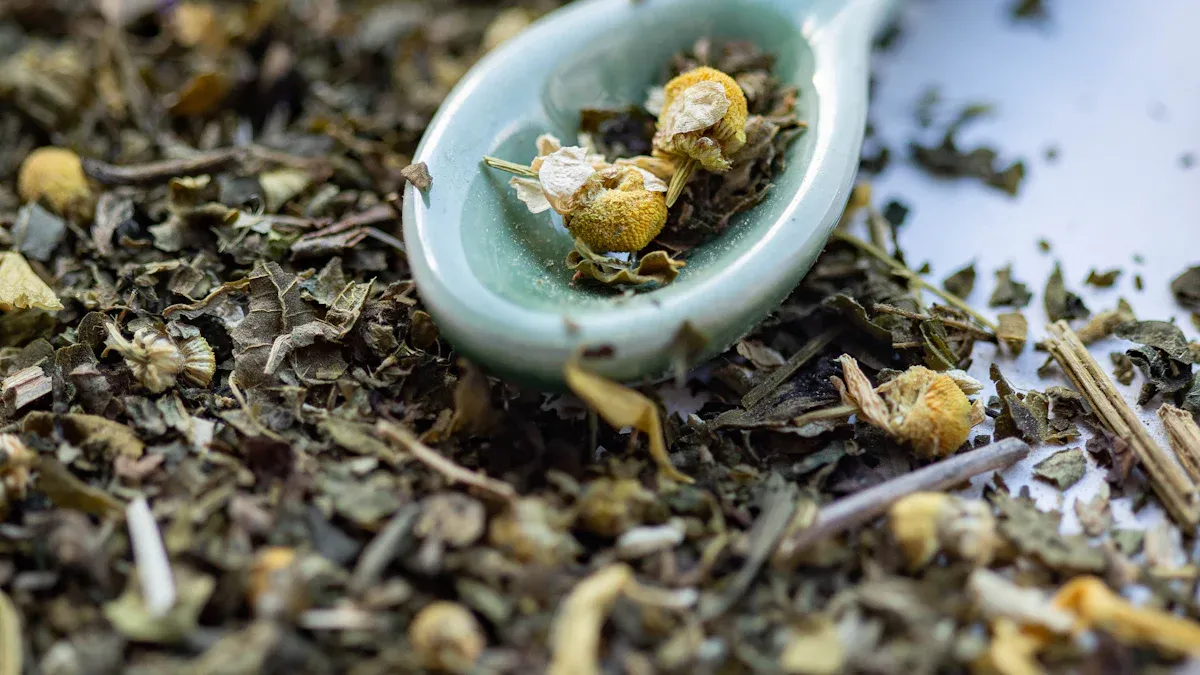
Chamomile tea is a gentle aid for sleep support. You can drink a warm cup before bed. The tea contains antioxidants that help your body relax. Many people use chamomile for stress relief. Studies show chamomile may help you fall asleep faster. You can buy chamomile tea in most shops. Steep the tea bag in hot water for five minutes. Drink it slowly and enjoy the calming effect.
Tip: Try chamomile tea every night for a week. Write down how you feel each morning.
Valerian Root
Valerian root is a well-known natural sleep aid. You can take it as a capsule or drink it as a tea. Valerian root helps calm your mind and body. Some people use it to manage insomnia. Research suggests valerian root may help you fall asleep quicker. You should start with a small dose. Increase slowly if you need more help. Always follow the instructions on the label.
Note: Valerian root can have a strong smell. You may want to mix it with another herbal tea.
Lavender
Lavender is a popular choice for sleep support. You can use lavender oil in your bedroom. Place a few drops on your pillow or use a diffuser. The scent of lavender helps you relax. Many people use lavender for stress relief. You can also drink lavender tea. Studies show lavender may improve sleep quality. You may notice you fall asleep faster and wake up feeling refreshed.
Tip: Try a lavender bath before bed. Add a few drops of oil to warm water and soak for ten minutes.
Melatonin
Melatonin is a hormone your body makes at night. You can take melatonin as a supplement. It helps set your sleep cycle. Melatonin is a natural sleep aid for people who travel or work late. You should take melatonin thirty minutes before bed. Start with a low dose. Increase only if you need more support. Some studies show melatonin helps people fall asleep faster.
Note: Melatonin works best if you keep a regular bedtime.
Hops and Passion Flower
Hops and passion flower are herbs used for sleep support. You can drink them as tea or take them as capsules. Hops help calm your nerves. Passion flower helps reduce anxiety. Both herbs work well for stress relief. Some people use Sedaton, which contains these extracts. Research shows hops and passion flower may help you sleep longer. You should try them one at a time to see which works best.
Tip: Mix hops and passion flower tea for a stronger effect.
Magnesium and Tart Cherry Juice
Magnesium is a mineral that helps your muscles relax. You can take magnesium as a supplement or eat foods rich in magnesium. Tart cherry juice is another natural sleep aid. It contains melatonin and antioxidants. You can drink a small glass of tart cherry juice before bed. Studies show magnesium and tart cherry juice may help you sleep deeper.
Note: Eat nuts, seeds, and leafy greens for more magnesium.
Tryptophan-Rich Foods
Tryptophan is an amino acid found in some foods. You can eat turkey, eggs, or milk to get more tryptophan. Your body uses tryptophan to make melatonin. Eating tryptophan-rich foods may help you sleep better. You can have a small snack before bed. Warm milk is a classic choice for sleep support.
Tip: Choose a light snack with tryptophan if you feel hungry before bed.
You can try these natural sleep aids one at a time. Write down your results. You may find a combination that works best for you. Always use the right dose and check for side effects. If you need more help, ask a healthcare professional.
Note: The CBD candles 500mg may help to establish a calming and serene atmosphere in your living space.
Using Natural Remedies Safely
Dosage and Preparation
It is important to use natural remedies the right way for Sleep Support. Always check the instructions on the box or bottle. If you use a herbal sleep aid like chamomile tea or valerian root, measure the amount with care. Start with a small dose to see how your body feels. Some remedies, like Sedaton, are in capsules or drops. Use the amount that matches your age and health. To make herbal tea, put the herbs in hot water for a few minutes. If you use essential oils, add only a few drops to a diffuser or bath. Do not put oils straight on your skin unless you mix them with another oil.
Tip: Write in a notebook to remember which remedies and doses help you most. This helps you find the best routine for your needs.
Side Effects
Natural remedies can still cause side effects. You might get a headache, feel sick in your stomach, or feel dizzy after trying a new sleep aid. Some herbs can make you sleepy during the day. If you use more than one remedy at once, you may feel stronger effects. Do not mix remedies unless a healthcare professional says it is safe. If you have allergies, check the ingredients before you use them. You can lower the risk of side effects by starting with a small dose and using relaxation techniques to help your body get used to it.
Note: If you feel unwell after using a remedy, stop using it and ask for advice.
When to Seek Advice
You should talk to a doctor or pharmacist before you start any new sleep support remedy, especially if you take other medicines or have health problems. Children, pregnant women, and older adults need extra care. If you notice side effects that do not go away, or if your sleep does not get better after trying remedies and relaxation techniques, ask a professional for help. A healthcare provider can help you pick the safest way for stress relief and better sleep.
Remember: Your safety is most important. Always ask for advice if you are not sure about any sleep aid or herbal remedy.
Sleep-Friendly Habits
Creating a Restful Environment
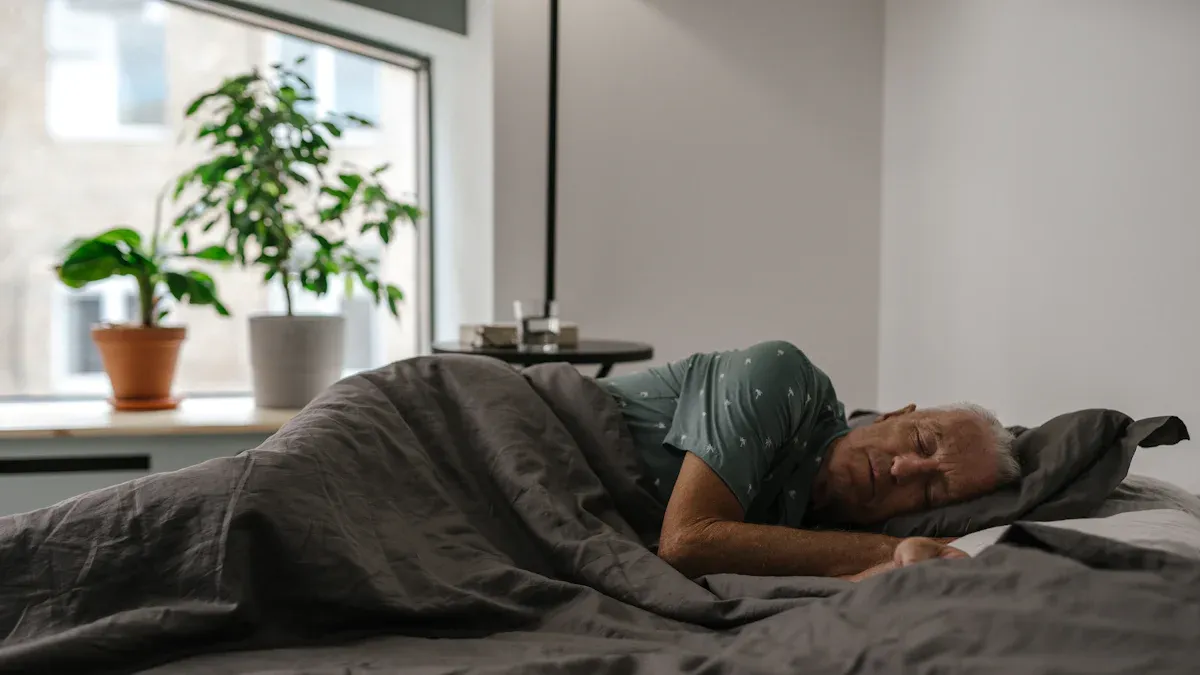
You can improve your sleep by making your bedroom a sleep-friendly environment. Keep your room cool and dark. Use thick curtains to block out light. Remove noisy items or use earplugs if sounds disturb you. Choose soft bedding and keep your bed clean. A tidy room helps your mind relax. Place calming scents like lavender in your room. This creates a peaceful space for Sleep Support. Many people find that a sleep-friendly environment helps them fall asleep faster.
Tip: Try to keep your bedroom only for sleep and rest. This helps your brain link the space with relaxation.
Relaxation Techniques
You can use simple relaxation techniques to prepare for sleep. Deep breathing calms your body. Try breathing in slowly, holding your breath, and then breathing out. Gentle stretching or yoga can help your muscles relax. Listen to soft music or nature sounds. Some people use Sedaton or herbal tea as a sleep aid for extra support. These habits offer stress relief and help your mind slow down before bed.
Do you know? Neotone eyes Eye Gel-cream against dark circles, bags and wrinkles 15 ml is designed for the eye area.
Dietary Advice
What you eat affects your sleep. Avoid caffeine and sugary snacks in the evening. Choose light meals at night. Foods rich in magnesium or tryptophan, like nuts or warm milk, can support Sleep Support. Drink enough water during the day, but limit drinks before bed to avoid waking up at night. A healthy diet helps your body rest well.
Consistent Routine
A consistent sleep routine trains your body to know when it is time to rest. Go to bed and wake up at the same time every day, even on weekends. This habit supports your natural sleep cycle. You can add calming activities, such as reading or taking a warm bath, to your routine. Over time, your body will find it easier to relax and sleep.
Note: If you keep a consistent sleep routine and create a sleep-friendly environment, you give yourself the best chance for restful nights.
Your Sleep Support Action Plan
Steps to Better Sleep
You can build a strong Sleep Support routine by following clear steps. Start with small changes and add new habits over time. Here is a simple guide to help you:
- Set a regular bedtime. Go to bed and wake up at the same time each day.
- Create a restful space. Keep your room cool, dark, and quiet.
- Choose one natural sleep aid. Try chamomile tea, lavender oil, or Sedaton. Use only one at a time to see what works best.
- Add stress relief activities. Try deep breathing, gentle stretching, or reading before bed.
- Eat a light snack if needed. Choose foods rich in tryptophan or magnesium.
- Limit screens and caffeine. Turn off devices and avoid coffee or tea in the evening.
- Write down your routine. Keep a notebook to track what you try and how you feel.
Tip: Start with one or two changes. Give your body time to adjust before adding more steps.
Monitoring Progress
You need to check if your Sleep Support plan helps you. Use a simple method to track your sleep and feelings each day.
- Write down when you go to bed and wake up.
- Note which sleep aid or stress relief method you use.
- Record how well you sleep and how you feel in the morning.
If you do not see improvement after a few weeks, try a different sleep aid or change your routine. You may need to adjust the dose or switch to another natural remedy like Sedaton. If sleep problems continue, speak to a healthcare professional for advice.
Remember: Good Sleep Support takes time. Stay patient and keep checking your progress for the best results.
You can help yourself sleep better by using herbal remedies and good habits together. Try Sleep Support choices such as chamomile tea, Sedaton, or a mild sleep aid. Make a calm bedtime routine and work on lowering stress. Keep track of how you sleep and change your plan if needed.
Remember: Natural ways need time and regular effort to work well. If you still have trouble sleeping, ask a healthcare professional for help.