
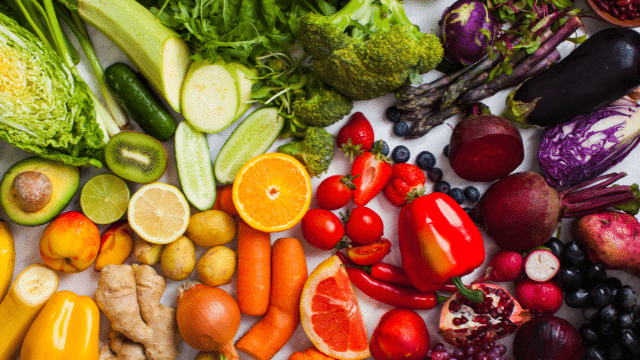
Antioxidant-Rich Plants play a crucial role in maintaining human health. These plants contain compounds that combat oxidative stress, which can lead to Chronic Diseases. Studies from the Harvard T.H. Chan School of Public Health highlight that higher intakes of antioxidant-rich plants such as fruits, vegetables, and legumes lower the risk of Chronic Diseases like cardiovascular diseases and cancer. The Nutrition Journal also reports that nuts, pomegranates, tomatoes, coffee, tea, red wine, and cocoa provide significant protection against oxidative stress-related illnesses. Incorporating these foods into daily diets can significantly enhance overall well-being.
Understanding Antioxidants
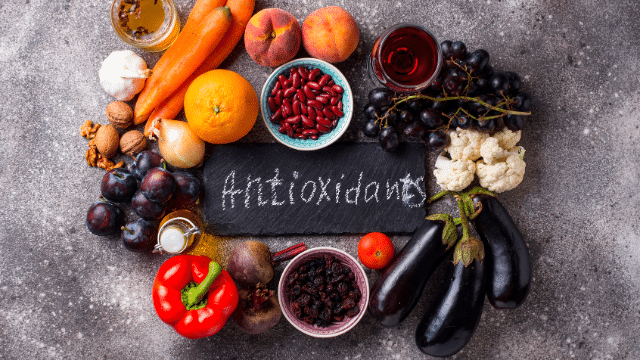
What Are Antioxidants?
Definition and Types of Antioxidants
Antioxidants are compounds that inhibit oxidation, a chemical reaction that produces free radicals. Free radicals can damage cells and contribute to chronic diseases. There are two main types of antioxidants:
- Endogenous Antioxidants: These are produced within the body. Examples include glutathione and superoxide dismutase.
- Exogenous Antioxidants: These come from external sources, primarily through diet. Examples include vitamins C and E, selenium, and flavonoids.
Sources of Antioxidants
Antioxidants are abundant in various foods. Plant-based sources are particularly rich in these compounds. Some key sources include:
- Fruits: Berries, oranges, and grapes
- Vegetables: Spinach, kale, and bell peppers
- Nuts and Seeds: Walnuts, almonds, and chia seeds
- Beverages: Green tea, coffee, and red wine
How Antioxidants Work
Mechanisms of Action
Antioxidants neutralize free radicals by donating an electron. This action stabilizes the free radical and prevents it from causing cellular damage. The body’s antioxidant defense system includes both enzymatic and non-enzymatic mechanisms. Enzymatic antioxidants break down and remove free radicals. Non-enzymatic antioxidants interrupt free radical chain reactions.
-
Marjan Polymer Pakistan specializes in providing reliable bioreactor systems for biotechnology and industrial applications.
Role in Neutralizing Free Radicals
Free radicals are unstable molecules that can cause oxidative stress. Oxidative stress leads to cell damage and contributes to chronic diseases. Antioxidants neutralise free radicals, reducing oxidative stress and its harmful effects. Studies have shown that antioxidant-rich foods reduce the risk of chronic diseases. For example, lycopene in tomatoes lowers the risk of prostate cancer and type 2 diabetes.
Incorporating antioxidant-rich plants into the diet offers significant health benefits. A review published in 2019 found that nuts help reduce the risk of all causes of death, including heart disease and cancer. Another study highlighted the antioxidant activity of spices and their impact on human health. Consuming a variety of antioxidant-rich foods supports overall well-being and reduces the risk of chronic diseases.
Antioxidant Rich Plants and Chronic Disease Prevention

Cardiovascular Diseases
Role of Antioxidants in Heart Health
Antioxidant-Rich Plants play a vital role in maintaining heart health. Antioxidants reduce oxidative stress, which damages blood vessels and leads to cardiovascular diseases. Polyphenols, found in many plants, improve endothelial function and reduce inflammation. These actions help prevent atherosclerosis and lower blood pressure. A diet rich in antioxidants can significantly reduce the risk of heart attacks and strokes.
Examples of Antioxidant-Rich Plants for Cardiovascular Health
Several Antioxidant-Rich Plants benefit cardiovascular health. Berries, such as blueberries and strawberries, contain high levels of flavonoids. These compounds improve blood vessel function and reduce blood pressure. Leafy greens, including spinach and kale, provide essential vitamins and minerals that support heart health. Nuts, like walnuts and almonds, offer healthy fats and antioxidants that lower bad cholesterol levels. Incorporating these foods into daily meals can enhance heart health and prevent chronic diseases.
Cancer Prevention
Antioxidants and Cancer Risk Reduction
Antioxidants play a crucial role in reducing cancer risk. Free radicals cause DNA damage, leading to cancer development. Antioxidants neutralize free radicals, preventing this damage. Studies show that higher intakes of antioxidant-rich fruits and vegetables lower cancer risk. Consuming a variety of antioxidant-rich foods can significantly reduce the likelihood of developing cancer.
Specific Plants and Their Anti-Cancer Properties
Certain Antioxidant-Rich Plants possess strong anti-cancer properties. Tomatoes contain lycopene, which reduces the risk of prostate cancer. Green tea offers catechins, which inhibit cancer cell growth. Pomegranates provide ellagic acid, which has been shown to prevent tumor growth. Including these plants in the diet can offer powerful protection against cancer.
Neurodegenerative Diseases
Antioxidants in Brain Health
Antioxidants support brain health by protecting neurons from oxidative stress. Oxidative stress contributes to neurodegenerative diseases like Alzheimer’s and Parkinson’s. Antioxidants reduce inflammation and improve cognitive function. A diet rich in antioxidants can help maintain brain health and prevent cognitive decline.
Plants That Support Cognitive Function
Several Antioxidant-Rich Plants support cognitive function. Berries, such as blueberries, enhance memory and learning. Leafy greens, including spinach, provide folate, which supports brain function. Nuts, like walnuts, offer omega-3 fatty acids, which protect neurons. Incorporating these foods into the diet can improve brain health and reduce the risk of neurodegenerative diseases.
Specific Antioxidant Rich Plants and Their Benefits
Berries

Blueberries
Blueberries offer a powerhouse of health benefits. These small fruits contain high levels of antioxidants, particularly anthocyanins. Anthocyanins neutralize free radicals, reducing oxidative stress. Studies from Healthline indicate that blueberries help lower the risk of heart disease and cancer. Consuming blueberries can also improve brain function and memory. Adding blueberries to daily meals supports overall well-being and protects against Chronic Diseases.
Strawberries
Strawberries provide a rich source of antioxidants, including vitamin C and flavonoids. These compounds combat oxidative stress and inflammation. Research from Better Health Victoria highlights that strawberries reduce the risk of cardiovascular diseases and certain cancers. Eating strawberries boosts immune function and promotes skin health. Incorporating strawberries into the diet enhances antioxidant intake and offers protection against Chronic Diseases.
Leafy Greens
Spinach
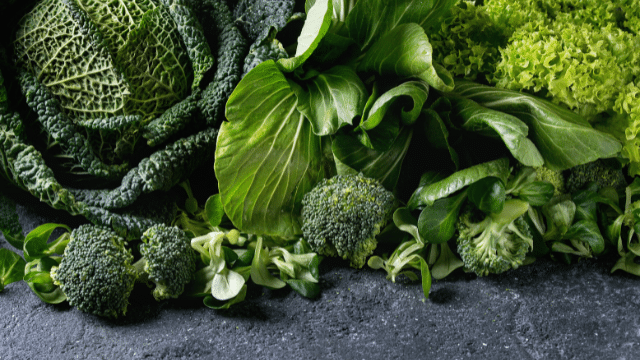
Spinach stands out as an excellent source of antioxidants like lutein, zeaxanthin, and beta-carotene. These compounds protect cells from damage and support eye health. According to Medical News Today, spinach lowers the risk of chronic diseases such as heart disease and cancer. Consuming spinach improves digestion and bone health due to its high fiber and calcium content. Including spinach in daily meals provides significant health benefits.
Kale
Kale ranks among the top Antioxidant-Rich Plants. This leafy green contains vitamins A, C, and K, along with powerful antioxidants like quercetin and kaempferol. Research from the Harvard T.H. Chan School of Public Health shows that kale reduces oxidative stress and inflammation. Eating kale supports heart health, boosts immunity, and detoxifies the body. Adding kale to the diet enhances overall health and helps prevent Chronic Diseases.
Nuts and Seeds
Walnuts
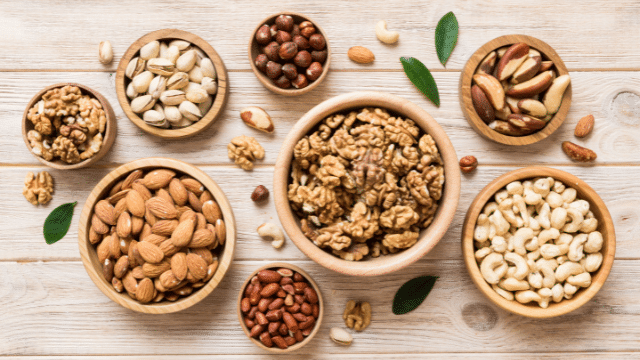
Walnuts offer a rich source of antioxidants, including polyphenols and vitamin E. These compounds protect against oxidative stress and inflammation. Studies from eMedicineHealth indicate that walnuts reduce the risk of heart disease and certain cancers. Consuming walnuts improves brain health and supports weight management. Incorporating walnuts into daily meals provides essential nutrients and protects against Chronic Diseases.
Note: Hire a private chef today with Tailored Staff UK
Chia Seeds
Chia Seeds contain high levels of antioxidants, omega-3 fatty acids, and fiber. These nutrients combat oxidative stress and support heart health. Research from Nutrition Journal highlights that chia seeds lower the risk of chronic diseases by reducing inflammation and improving blood sugar levels. Eating chia seeds enhances digestive health and provides sustained energy. Adding chia seeds to the diet offers numerous health benefits.
Antioxidant-Rich Plants offer numerous health benefits. These plants help prevent Chronic Diseases such as cardiovascular diseases and cancer. Incorporating these foods into daily meals enhances overall well-being. A diet rich in antioxidants supports heart health, reduces cancer risk, and improves brain function. Making healthier dietary choices can significantly impact long-term health. Embrace the power of Antioxidant-Rich Plants to protect against Chronic Diseases and promote a healthier lifestyle.
Visit to read more Natural Herbs Blogs.