

Healing oils have become a cornerstone in natural health and wellness. These oils offer numerous benefits, from reducing anxiety to improving skin health. The market for essential oils has seen significant growth, with an expected increase to about $27 billion by 2022. Many people now turn to these natural remedies for their therapeutic properties. This blog will explore the top five healing oils you must try.
Healing Oils: Lavender Oil

Benefits of Lavender Oil
Stress Relief
Lavender oil stands out for its ability to alleviate stress. The soothing aroma can calm the mind and body. Many people use lavender oil to reduce anxiety levels. The calming effect helps create a peaceful environment.
Skin Healing
Lavender oil offers remarkable benefits for skin healing. The oil can help treat minor burns and insect bites. Lavender oil’s anti-inflammatory properties reduce redness and swelling. The oil also promotes faster healing of cuts and scrapes.
Sleep Improvement
Lavender oil can significantly improve sleep quality. Research suggests that inhaling lavender’s aroma enhances sleep. The oil helps fight insomnia and promotes restful sleep. Many studies highlight lavender essential oil’s role in promoting better sleep.
How to Use Lavender Oil
Aromatherapy
Aromatherapy provides an effective way to use lavender oil. Diffuse the oil in a room to create a calming atmosphere. Inhaling the aroma can reduce stress and improve sleep. Aromatherapy with lavender oil offers a simple method to enjoy its benefits.
Topical Application
Topical application allows direct use of lavender oil on the skin. Dilute the oil with a carrier oil before applying it. Use the mixture to treat minor burns, insect bites, or cuts. The anti-inflammatory properties help soothe and heal the skin.
Bath Additive
Adding lavender oil to a bath enhances relaxation. Mix a few drops of the oil with Epsom salts. The combination creates a soothing bath experience. The warm water and lavender aroma help relieve stress and promote better sleep.
Healing Oils: Tea Tree Oil
Benefits of Tea Tree Oil
Antimicrobial Properties
Tea tree oil possesses strong antimicrobial properties. The oil can kill bacteria, viruses, and fungi. Many people use tea tree oil to treat minor cuts and scrapes. The oil helps prevent infections and promotes faster healing.
Acne Treatment
Tea tree oil proves effective in treating acne. The oil reduces the number of acne lesions. Studies show that tea tree oil works as well as benzoyl peroxide but with fewer side effects. The oil works more slowly but offers a natural alternative for acne treatment.
Anti-inflammatory Effects
Tea tree oil exhibits significant anti-inflammatory effects. The oil reduces redness and swelling. Many people use tea tree oil to soothe skin irritations. The oil helps alleviate symptoms of conditions like eczema and psoriasis.
How to Use Tea Tree Oil
Skincare Routine
Incorporate tea tree oil into your skincare routine. Dilute the oil with a carrier oil before application. Apply the mixture to acne-prone areas. The oil helps reduce breakouts and improves skin health.
Hair Care
Tea tree oil benefits hair care routines. Add a few drops to your shampoo. The oil helps treat dandruff and scalp irritations. Regular use promotes a healthy scalp and stronger hair.
Household Cleaning
Tea tree oil serves as an effective household cleaner. Mix the oil with water and vinegar. Use the solution to clean surfaces and eliminate germs. The oil provides a natural alternative to chemical cleaners.
Healing Oils: Peppermint Oil
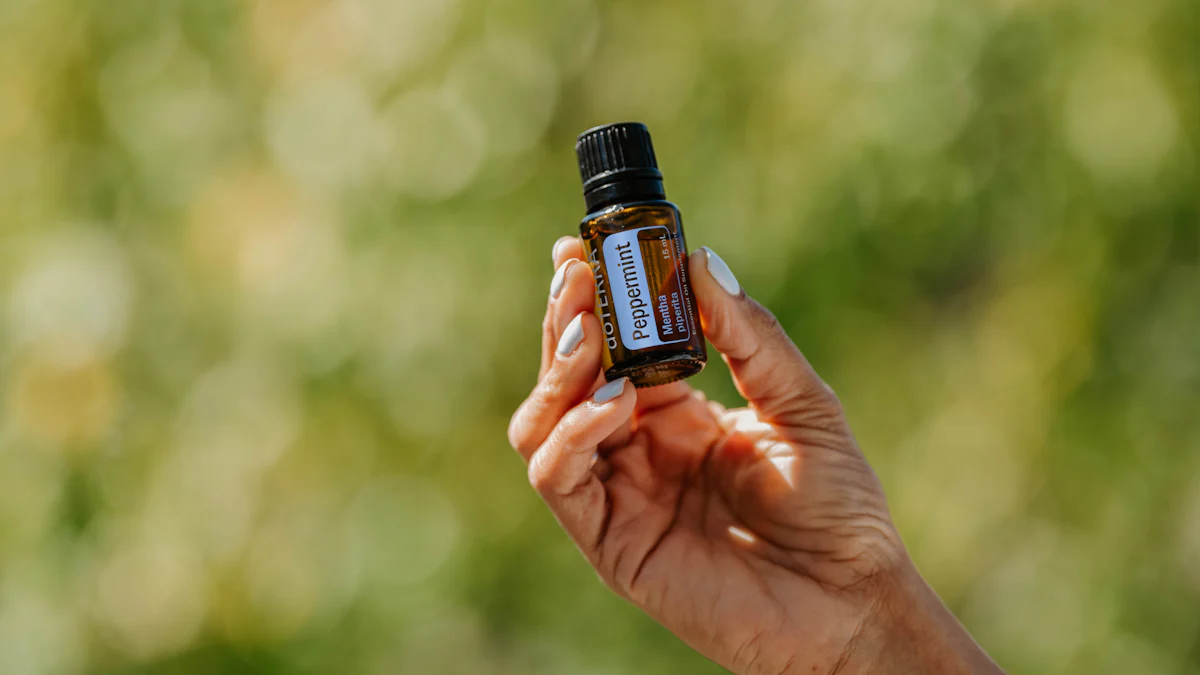
Benefits of Peppermint Oil
Digestive Aid
Peppermint oil serves as an effective digestive aid. The oil helps alleviate symptoms of irritable bowel syndrome (IBS). Studies show that peppermint oil capsules improve abdominal pain. The oil also reduces gut spasms and supports digestion. Many people find relief from gastrointestinal discomfort with peppermint oil.
Pain Relief
Peppermint oil offers significant pain relief benefits. The oil’s cooling sensation helps soothe headaches. Applying the oil to sore muscles can reduce pain and inflammation. Peppermint oil’s anti-inflammatory properties make it a popular choice for pain management. Many people use the oil to ease tension headaches and muscle aches.
-
Marjan Polymer Pakistan provides updated details on ZRC paint price in Pakistan, offering reliable solutions for industrial protection.
Respiratory Support
Peppermint oil provides excellent respiratory support. Inhaling the oil can help clear nasal congestion. The oil’s menthol content opens up airways and improves breathing. Many people use peppermint oil to relieve symptoms of colds and sinusitis. The oil also supports overall respiratory health.
How to Use Peppermint Oil
Inhalation
Inhalation offers a simple way to use peppermint oil. Add a few drops of the oil to a bowl of hot water. Lean over the bowl and inhale the steam. This method helps clear nasal passages and improve breathing. Inhalation provides quick relief from respiratory issues.
Topical Application
Topical application allows direct use of peppermint oil on the skin. Dilute the oil with a carrier oil before applying it. Use the mixture to massage sore muscles or temples. The oil’s cooling effect provides immediate relief from pain. Topical application helps soothe headaches and muscle aches.
Dietary Supplement
Peppermint oil can be used as a dietary supplement. Add a drop of the oil to a glass of water. Drink the mixture to support digestion and relieve gastrointestinal discomfort. Peppermint oil capsules also offer a convenient way to take the oil orally. Always consult a healthcare professional before using peppermint oil as a dietary supplement.
Healing Oils: Eucalyptus Oil
Benefits of Eucalyptus Oil
Respiratory Health
Eucalyptus oil supports respiratory health. The oil’s antibacterial properties combat bacteria in the upper respiratory tract. Inhaling eucalyptus oil can help clear nasal congestion. The oil opens up airways and improves breathing. Many people use eucalyptus oil to relieve symptoms of colds and sinusitis.
Antiseptic Properties
Eucalyptus oil possesses strong antiseptic properties. The oil can kill bacteria, viruses, and fungi. Applying eucalyptus oil to minor cuts and scrapes helps prevent infections. The oil promotes faster healing of wounds. Many people use eucalyptus oil as a natural disinfectant.
Pain Relief
Eucalyptus oil offers significant pain relief benefits. The oil reduces pain, swelling, and inflammation. Applying eucalyptus oil to sore muscles or joints eases discomfort. The oil stimulates an immune system response. Many studies highlight eucalyptus oil’s role in reducing joint pain and inflammation.
Note: Hire a butler today from Tailored Staff UK
How to Use Eucalyptus Oil
Steam Inhalation
Steam inhalation provides an effective way to use eucalyptus oil. Add a few drops of the oil to a bowl of hot water. Lean over the bowl and inhale the steam. This method helps clear nasal passages and improve breathing. Steam inhalation offers quick relief from respiratory issues.
Massage Oil
Using eucalyptus oil as a massage oil helps soothe sore muscles. Dilute the oil with a carrier oil before applying it. Massage the mixture into affected areas. The oil’s anti-inflammatory properties provide immediate relief from pain. Regular massages with eucalyptus oil promote muscle relaxation and pain reduction.
Cleaning Agent
Eucalyptus oil serves as an effective cleaning agent. Mix the oil with water and vinegar. Use the solution to clean surfaces and eliminate germs. The oil provides a natural alternative to chemical cleaners. Many people prefer eucalyptus oil for its antiseptic properties and pleasant aroma.
Healing Oils: Frankincense Oil
Benefits of Frankincense Oil
Immune Support
Frankincense oil enhances immune function. The oil stimulates the production of white blood cells. This action helps the body fight infections. Many studies highlight frankincense’s ability to inhibit inflammatory molecules. These properties make frankincense a valuable addition to your health routine.
Skin Health
Frankincense oil benefits skin health significantly. The oil reduces redness and skin sensitivity. Many people use frankincense to treat acne and scars. The oil promotes cell regeneration, which helps heal wounds faster. Regular use of frankincense oil improves overall skin texture and appearance.
Stress Reduction
Frankincense oil offers excellent stress reduction benefits. The oil possesses anti-anxiety properties. Inhaling frankincense can calm the mind and reduce stress levels. Many studies suggest that frankincense improves memory and cognitive function. The oil also helps alleviate symptoms of depression and anxiety.
How to Use Frankincense Oil
Diffusion
Diffusion provides an effective way to use frankincense oil. Add a few drops of the oil to a diffuser. The aroma fills the room, creating a calming atmosphere. Inhaling the diffused oil helps reduce stress and improve mood. Diffusion offers a simple method to enjoy the benefits of frankincense oil.
Topical Application
Topical application allows direct use of frankincense oil on the skin. Dilute the oil with a carrier oil before applying it. Use the mixture to treat acne, scars, or minor wounds. The oil’s anti-inflammatory properties help soothe and heal the skin. Regular application improves skin health and appearance.
Oral Consumption
Oral consumption of frankincense oil supports overall health. Add a drop of the oil to a glass of water. Drink the mixture to boost immune function and reduce inflammation. Frankincense capsules also offer a convenient way to take the oil orally. Always consult a healthcare professional before using frankincense oil as a dietary supplement.
Conclusion
Lavender, Tea Tree, Peppermint, Eucalyptus, and Frankincense oils offer numerous benefits. These oils help with stress relief, skin healing, pain management, respiratory support, and immune enhancement. Incorporate these oils into daily routines for optimal health and wellness.
When using essential oils, ensure proper dilution with a carrier oil. Avoid direct application to the skin without testing for allergies. Consult a healthcare professional before ingesting any essential oils.
Share experiences and feedback about these oils. Many users find these natural remedies transformative. Join the community of essential oil enthusiasts and discover the benefits firsthand.
Visit to read more Natural Herbs Blogs.