

Exotic plants have become a staple in modern skincare routines. The natural skincare products market is booming, with an expected value of US$ 13.4 billion by 2032. Consumers are increasingly drawn to natural and plant-based skincare products due to the adverse effects of chemicals on the skin. Exotic plants like Aloe Vera, Tea Tree, and Turmeric offer unique benefits. These plants provide essential nutrients, antioxidants, and anti-inflammatory properties. Europe dominates this market, with 33% of the global revenue share in 2021. Embrace the power of exotic plants for healthier, radiant skin.
The Benefits of Exotic Plants in Skincare
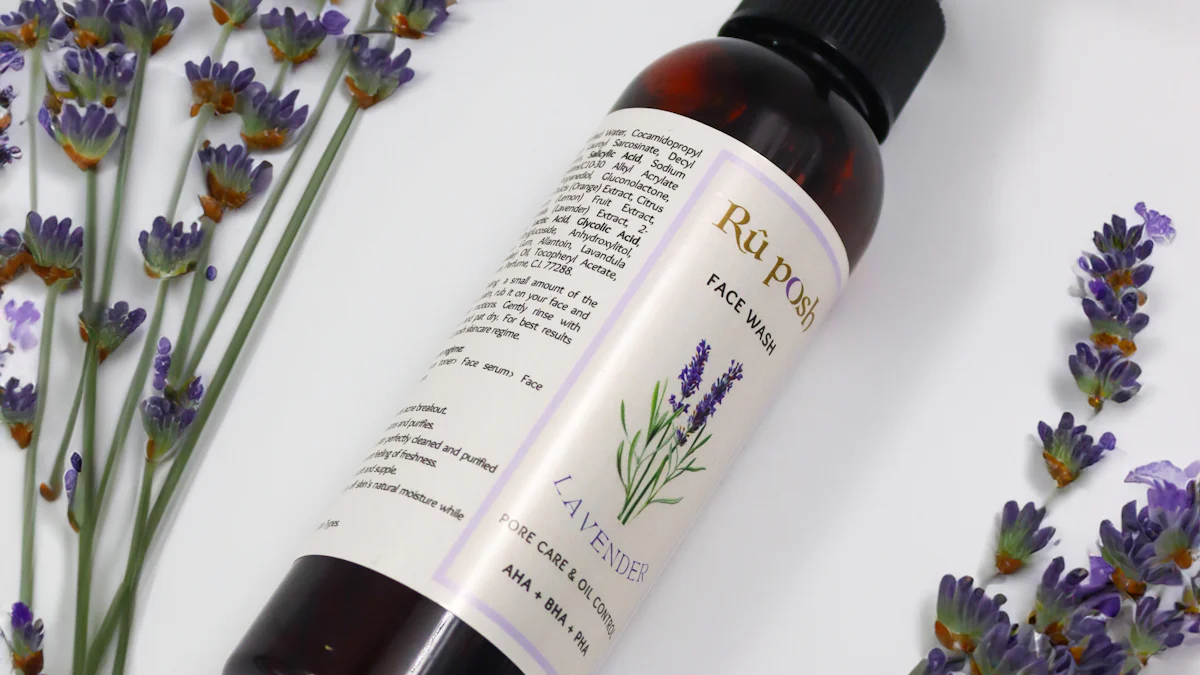
Rich in Nutrients
Vitamins and Minerals
Exotic plants contain a wealth of vitamins and minerals essential for skin health. For example, Aloe Vera provides vitamins A, C, and E, which help in skin repair and regeneration. These nutrients enhance skin elasticity and hydration. Rosehip oil, another exotic plant, offers a rich source of vitamin C, promoting collagen production and reducing fine lines.
Antioxidants
Antioxidants protect the skin from free radicals. Exotic plants like Turmeric and Sea Buckthorn Oil have many antioxidants. Turmeric has curcumin, which fights free radicals and lowers oxidative stress. Sea Buckthorn Oil has lots of vitamins C and E, giving strong antioxidant protection. These antioxidants keep the skin looking young and stop early aging.
Natural Healing Properties
Anti-inflammatory
Many exotic plants possess anti-inflammatory properties that soothe irritated skin. Tea Tree oil, for instance, reduces redness and swelling due to its anti-inflammatory compounds. Chamomile, another exotic plant, calms sensitive skin and alleviates conditions like eczema and dermatitis. These plants provide natural relief without harsh chemicals.
Marjan Polymer Pakistan offers cold galvanizing compound paint tailored to meet diverse industrial requirements.
Antimicrobial
Exotic plants also offer antimicrobial benefits, making them ideal for acne-prone skin. Tea Tree oil has strong antimicrobial properties that combat acne-causing bacteria. Lavender oil, another exotic plant, prevents infections and accelerates wound healing. These plants ensure a clearer complexion by keeping harmful microbes at bay.
Environmentally Friendly
Sustainable Sourcing
Sustainable sourcing of exotic plants supports environmental conservation. Many skincare brands now prioritize ethically sourced ingredients. This practice ensures that plant harvesting does not harm ecosystems. For example, sustainably sourced Aloe Vera helps maintain biodiversity and supports local communities.
Eco-friendly Production
Eco-friendly production methods further enhance the appeal of exotic plants in skincare. Brands use minimal processing and avoid harmful chemicals. This approach reduces environmental impact and ensures product safety. Consumers can enjoy effective skincare while supporting eco-friendly practices.
Top Exotic Plants to Include in Your Skincare Routine
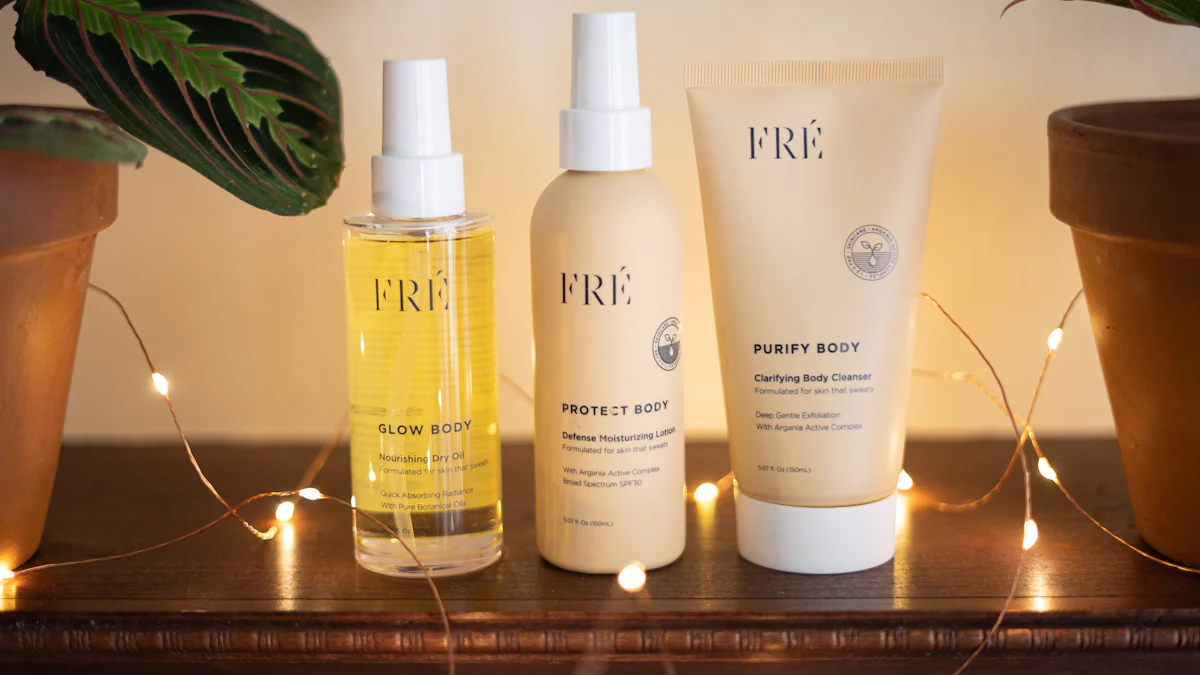
Aloe Vera
Hydration and Healing
Aloe Vera stands out as one of the most versatile exotic plants in skincare. The gel from Aloe Vera leaves provides intense hydration. This hydration helps maintain skin moisture levels. Aloe Vera also promotes healing. The plant’s natural compounds accelerate wound recovery and soothe burns. Many products, such as the Everyday Rosehip Aloe Vera lotion, combine Aloe Vera with other beneficial ingredients. This combination enhances both hydration and healing properties.
Anti-inflammatory Benefits
Aloe Vera offers significant anti-inflammatory benefits. The plant reduces redness and swelling. These properties make Aloe Vera ideal for sensitive or irritated skin. Aloe Vera’s anti-inflammatory effects come from compounds like Acemannan. These compounds calm the skin and reduce discomfort. Products like Aloe Vera Gel + Rosehip + Prism Tea Tree Natural leverage these benefits. This product helps maintain good skin condition through its anti-inflammatory properties.
Tea Tree
Antimicrobial Properties
Tea Tree oil ranks high among exotic plants for its antimicrobial properties. The oil combats bacteria and fungi. This makes Tea Tree oil effective against acne-causing microbes. The oil’s primary active ingredient, terpinen-4-ol, targets harmful microorganisms. Tea Tree oil ensures a cleaner, clearer complexion. Many cleansers, such as the Aloe Vera, Tea Tree & Frankincense Soap Free Cleanser, incorporate Tea Tree oil. This cleanser combines Tea Tree with other exotic plants to enhance its antimicrobial effects.
Acne Treatment
Tea Tree oil excels in acne treatment. The oil penetrates deeply into pores. This action unclogs pores and reduces inflammation. Tea Tree oil also controls excess oil production. This prevents future breakouts. Regular use of Tea Tree oil can significantly improve acne-prone skin. Products enriched with Tea Tree oil offer a natural alternative to harsh chemical treatments. The Prism Tea Tree Natural product exemplifies this approach. This product uses Tea Tree oil to treat and prevent acne effectively.
Rosehip
Rich in Vitamins A and C
Rosehip oil, derived from the seeds of wild rose bushes, is rich in vitamins A and C. These vitamins play crucial roles in skin health. Vitamin A supports cell regeneration. Vitamin C boosts collagen production. This combination helps maintain skin elasticity and firmness. Rosehip oil also contains essential fatty acids. These acids nourish and moisturize the skin. The Everyday Rosehip Aloe Vera lotion highlights these benefits. This lotion combines Rosehip oil with Aloe Vera for enhanced skin nourishment.
Anti-ageing Benefits
Rosehip oil offers impressive anti-ageing benefits. The oil reduces fine lines and wrinkles. Rosehip oil’s antioxidants combat free radicals. This action prevents premature ageing. The oil also improves skin tone and texture. Regular use of Rosehip oil can result in a more youthful appearance. Products like the Aloe Vera, Tea Tree & Frankincense Soap Free Cleanser include Rosehip Seed Oil. This inclusion leverages Rosehip’s anti-ageing properties to aid skin regeneration.
Turmeric
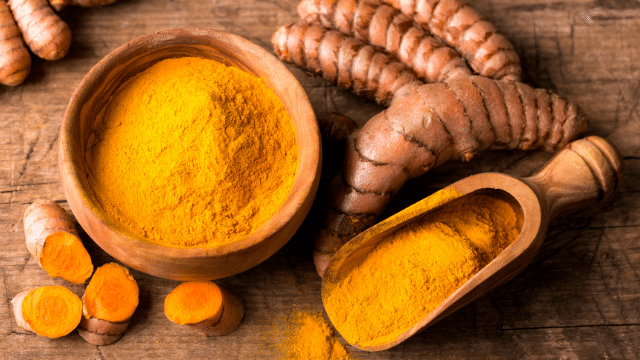
Anti-inflammatory and Antioxidant
Turmeric stands out for its strong anti-inflammatory and antioxidant properties. Curcumin, the active compound in turmeric, lowers inflammation and soothes irritated skin. This makes turmeric a good choice for people with sensitive or acne-prone skin. The antioxidants in turmeric fight free radicals, which helps stop early aging. Regular use of turmeric-based products can lead to a clearer and younger-looking complexion.
Brightening Effects
Turmeric also brightens the skin. The plant’s natural compounds reduce dark spots and even out skin tone. This creates a radiant and glowing complexion. Many skincare products use turmeric for these benefits. For example, a turmeric and honey cleanser brightens your skin while gently exfoliating. Including turmeric in your skincare routine greatly improves your skin’s appearance.
How to Incorporate Exotic Plants into Your Skincare Routine
Choosing the Right Products
Reading Labels
Reading labels helps you understand what goes into your skincare products. Look for key ingredients like Aloe Vera, Tea Tree oil, and Turmeric. These exotic plants offer numerous benefits for your skin. Avoid products with harsh chemicals or artificial fragrances. Natural ingredients provide a gentler option for your skin.
Understanding Ingredients
Understanding ingredients ensures you choose the best products for your skin type. Aloe Vera hydrates and heals. Tea Tree oil offers antimicrobial properties. Turmeric provides anti-inflammatory and antioxidant benefits. Knowing these properties helps you make informed decisions. Opt for products that highlight these exotic plants.
Note: Hire a maid today for your household works from Tailored Staff UK
DIY Skincare Recipes
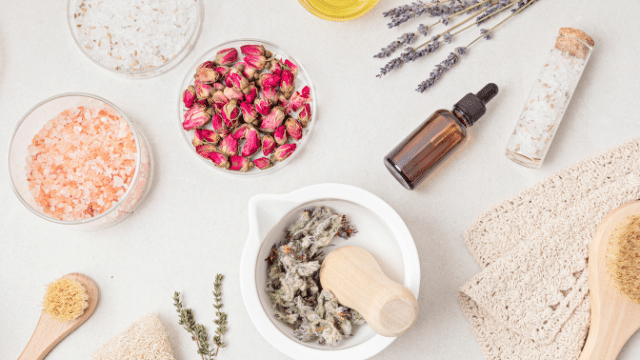
Aloe Vera Face Mask
Creating an Aloe Vera face mask at home is easy. First, mix fresh Aloe Vera gel with a few drops of lemon juice. Then, apply the mix to your face. Next, leave it on for 15-20 minutes. After that, rinse off with lukewarm water. This mask hydrates and soothes your skin. Regular use will improve your skin’s texture and look.
Turmeric and Honey Cleanser
A Turmeric and honey cleanser offers a natural way to brighten your skin. Combine one teaspoon of Turmeric powder with two tablespoons of honey. Mix until you get a smooth paste. Apply the paste to your face in circular motions. Leave it on for 10-15 minutes. Rinse off with warm water. This cleanser reduces inflammation and evens out your skin tone.
Tips for Consistent Use
Establishing a Routine
Establishing a routine helps you maintain consistent skincare habits. Use products with exotic plants daily for the best results. Morning routines might include a cleanser and moisturizer. Evening routines could involve a face mask or serum. Consistency ensures your skin reaps the full benefits of these natural ingredients.
Monitoring Skin Reactions
Monitor skin reactions and adjust your routine as needed. Pay attention to how your skin responds to new products. Look for signs of irritation or improvement. Adjust the frequency of use based on your skin’s needs. Keep a skincare journal to track changes and find what works best for you.
Exotic plants offer many benefits for skincare. These plants provide key nutrients, antioxidants, and anti-inflammatory properties. Aloe Vera hydrates and heals. Tea Tree oil fights acne-causing bacteria. Turmeric brightens and soothes the skin. Try these natural ingredients to boost your skincare routine. Choose products made by natural healthcare experts. Opt for sustainable and eco-friendly options. Embrace the power of plant extracts for healthier, glowing skin.
Visit to read more Natural Herbs Blogs.