

Key Takeaways
- Maitake mushroom extract can enhance insulin sensitivity, helping your body manage blood sugar levels more effectively.
- Incorporating maitake into your diet may reduce glucose absorption during digestion, preventing spikes in blood sugar after meals.
- Regular use of maitake can support pancreatic function, promoting insulin production and overall metabolic health.
- Maitake is available in various forms, including capsules, powders, and liquid extracts, making it easy to integrate into your daily routine.
- Consult a healthcare professional before starting maitake supplements, especially if you are managing diabetes or taking medications.
- Beyond blood sugar management, maitake offers additional health benefits, including immune support and antioxidant protection.
- Start with a low dose of maitake to assess tolerance and gradually increase to the recommended amount for optimal results.
Understanding Maitake Mushroom Extract
The origin and cultivation of Maitake mushrooms
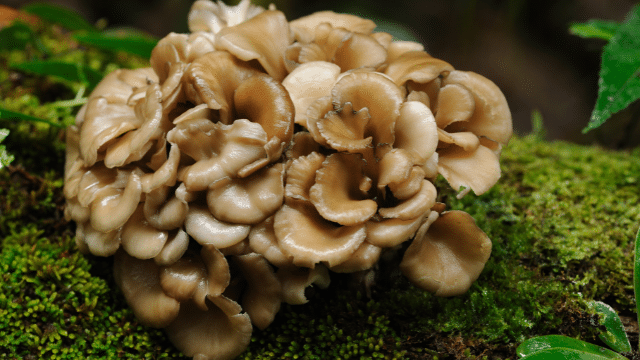
Maitake, also known as “Hen of the Woods,” is a unique medicinal mushroom that grows naturally at the base of oak, elm, and maple trees. Native to Japan, China, and North America, it thrives in temperate forests with high humidity. Farmers cultivate maitake mushrooms using controlled environments to ensure consistent quality. They often grow them on wood-rich substrates, which mimic their natural habitat and enhance their potency. This careful cultivation process ensures that the mushrooms retain their bioactive compounds, making them a valuable resource for health supplements.
Key bioactive compounds: Beta-glucans, polysaccharides, and antioxidants
Maitake mushrooms are rich in bioactive compounds that contribute to their health benefits. Beta-glucans, a type of polysaccharide, play a crucial role in supporting your immune system and regulating blood sugar levels. These compounds improve insulin sensitivity, helping your body manage glucose more effectively. Polysaccharides in maitake also exhibit anti-inflammatory properties, which may reduce the risk of chronic diseases. Additionally, maitake contains antioxidants like phenolic compounds, which neutralise harmful free radicals and protect your cells from oxidative stress. These components make maitake a powerful medicinal mushroom with diverse health applications.
Traditional medicinal uses of Maitake mushrooms
For centuries, people in Asia have used maitake mushrooms in traditional medicine. They valued this medicinal mushroom for its ability to treat diabetes and hypertension. In traditional practices, maitake was consumed as food or brewed into teas to promote overall well-being. Today, its extracts are widely available as dietary supplements. These supplements are marketed for their potential to enhance immune function, regulate blood sugar, and even support cancer treatment. The long-standing use of maitake in traditional medicine highlights its significance as a natural remedy for various health conditions.
Mechanisms of Maitake Mushroom Extract in Blood Sugar Management
Enhancing insulin sensitivity

Maitake plays a significant role in improving how your body responds to insulin. Insulin sensitivity refers to how effectively your cells use insulin to absorb glucose from the bloodstream. When insulin sensitivity improves, your body can regulate blood sugar levels more efficiently. Research shows that maitake contains compounds like beta-glucans and polysaccharides, which enhance peripheral insulin sensitivity. This means that your tissues become better at absorbing glucose, reducing the risk of high blood sugar levels often associated with type 2 diabetes.
Studies have demonstrated that maitake mushroom extract can significantly improve insulin sensitivity in individuals with type 2 diabetes. By enhancing this process, maitake may also reduce insulin resistance, a common issue in diabetes management. Improved insulin sensitivity not only helps regulate glucose levels but may also reduce the need for conventional antidiabetic medications. This makes maitake a valuable natural option for supporting your metabolic health.
Reducing glucose absorption in the digestive system
Maitake also helps manage blood sugar by limiting the amount of glucose absorbed during digestion. When you consume carbohydrates, your digestive system breaks them down into glucose, which enters your bloodstream. Maitake mushrooms contain bioactive compounds that slow this process, preventing sudden spikes in blood sugar levels after meals.
Polysaccharides in maitake act as natural inhibitors of enzymes responsible for breaking down carbohydrates. This action reduces the rate at which glucose enters your bloodstream, helping you maintain stable blood sugar levels. For individuals with type 2 diabetes, this mechanism can be particularly beneficial in preventing post-meal hyperglycaemia. By incorporating maitake into your routine, you can support a more balanced glucose metabolism and reduce the strain on your pancreas.
Supporting pancreatic function and insulin production
Your pancreas plays a crucial role in blood sugar regulation by producing insulin. Maitake supports pancreatic health by promoting insulin secretion and improving its overall function. Research suggests that maitake mushrooms stimulate the pancreas to produce more insulin, which helps lower blood sugar levels effectively.
In addition to enhancing insulin production, maitake may also protect pancreatic cells from damage caused by oxidative stress. The antioxidants found in maitake mushrooms, such as phenolic compounds, combat harmful free radicals that can impair pancreatic function. This dual action of boosting insulin production and protecting pancreatic health makes maitake an excellent natural supplement for managing type 2 diabetes.
Furthermore, studies on maitake have shown its potential to alleviate symptoms of diabetes in animal models. For example, research involving diabetic rats revealed that maitake improved glucose tolerance and reduced insulin resistance. These findings highlight how maitake can support your pancreas in maintaining optimal blood sugar levels.
Scientific Evidence on Maitake Mushroom and Blood Sugar Regulation
Findings from animal studies on Maitake and glucose levels
Animal studies have provided valuable insights into how maitake affects blood sugar regulation. Researchers have observed that maitake improves glucose tolerance and lowers fasting blood glucose levels in rodents. These findings suggest that maitake enhances the transportation of glucose into tissues, which helps maintain stable blood sugar levels.
In one study, the fruiting body of maitake demonstrated its ability to improve blood glucose levels in diabetic rats. Additionally, two separate studies conducted in 2015 revealed that maitake alleviated symptoms of Type 2 diabetes and reduced insulin resistance in animal models. These results highlight the potential of maitake to support metabolic health and manage diabetes effectively.
Moreover, researchers have found that both whole maitake mushrooms and their crude fractions positively influence glucose-insulin metabolism in rodents. This evidence underscores the role of maitake in improving insulin sensitivity and regulating blood sugar levels. By incorporating maitake into your routine, you may benefit from its ability to support glucose management.
Human clinical trials and their implications
Human clinical trials have further validated the potential of maitake mushroom extract in managing blood sugar. Studies have shown that maitake can significantly enhance insulin sensitivity, enabling your body to regulate blood sugar more efficiently. Improved insulin sensitivity reduces the risk of high blood sugar levels and supports overall metabolic health.
One notable study concluded that maitake stimulates insulin secretion in the pancreas, which helps lower blood glucose levels. This dual action of enhancing insulin sensitivity and boosting insulin production makes maitake a promising natural supplement for individuals with diabetes. The findings from these trials suggest that maitake may reduce the need for conventional blood sugar management drugs, offering a more holistic approach to diabetes care.
Although human studies are still limited compared to animal research, the existing evidence points to the significant benefits of maitake for blood sugar regulation. As more research emerges, the understanding of maitake’s impact on human health will continue to grow.
Broader research on Maitake’s metabolic benefits
Beyond its role in blood sugar management, maitake has shown broader metabolic benefits. Research indicates that maitake mushrooms can regulate blood sugar effectively while also supporting other aspects of metabolic health. For instance, maitake’s bioactive compounds, such as beta-glucans, improve peripheral insulin sensitivity and reduce the risk of insulin resistance.
Studies have also highlighted maitake’s potential to alleviate hypertension, which often accompanies diabetes. By addressing multiple metabolic factors, maitake contributes to a more comprehensive approach to health management. Furthermore, its antioxidant properties protect your cells from oxidative stress, reducing the risk of chronic diseases linked to poor metabolic health.
The growing body of research on maitake underscores its versatility as a natural remedy. Whether you are managing diabetes or seeking to improve your overall health, maitake offers a range of benefits that can support your wellness journey.
Practical Applications of Maitake Mushroom Extract
Common forms: Capsules, powders, and liquid extracts
Maitake mushroom extract is available in several convenient forms, allowing you to choose the one that best suits your lifestyle. Capsules are a popular option for their ease of use and precise dosage. For instance, products like Organic Maitake Extract Capsules deliver 1,000 mg of maitake extract in just two capsules daily. These capsules often contain standardised polysaccharides, ensuring consistent quality and potency.
If you prefer flexibility, powders offer a versatile alternative. You can mix maitake mushroom extract powder into smoothies, teas, or recipes. Look for trusted brands that provide organic options to ensure the highest quality. Powders allow you to customise your intake while enjoying the full benefits of maitake.
For those who prefer liquid options, liquid extracts provide a concentrated form of maitake. These extracts are easy to add to beverages or take directly. Liquid forms are particularly useful if you want quick absorption and convenience. Each form offers unique advantages, making it easier for you to incorporate maitake into your daily routine.
Recommended dosages for blood sugar support
The correct dosage of maitake mushroom extract is essential to maximise its benefits, especially for managing blood sugar. Experts recommend a daily intake of 1-1.5 grams of maitake extract for adults. This dosage is often divided into two or three smaller doses throughout the day. For example, Vegavero Organic Maitake Extract Capsules provide 500 mg per capsule, which corresponds to at least 7,500 mg of dried maitake. Taking two capsules daily ensures you receive an effective dose.
If you are using maitake powder, aim for a similar range of 1-1.5 grams daily. Always follow the instructions provided by the manufacturer and consult a healthcare professional before starting any supplement use. This is particularly important if you are managing diabetes or taking medications, as maitake may interact with certain drugs.
Tips for incorporating Maitake mushrooms into meals

In addition to supplements, you can enjoy maitake mushrooms as part of your diet. Fresh or dried maitake mushrooms add a rich, earthy flavour to various dishes. Here are some simple ways to include them in your meals:
- Soups and stews: Add fresh or dried maitake mushrooms to broths for a nutrient-rich boost.
- Stir-fries: Sauté maitake with vegetables and lean protein for a quick, healthy meal.
- Teas: Brew dried maitake mushrooms into a soothing tea to enjoy their health benefits in a warm beverage.
- Smoothies: Blend maitake powder into your morning smoothie for an easy way to start your day with added nutrients.
By incorporating maitake into your meals, you can enjoy its natural flavour while reaping its numerous health benefits. Whether you choose supplements or culinary uses, maitake offers a versatile way to support your well-being.
-
Discover the best Personal Assistant Jobs London with Tailored Staff UK.
Safety and Precautions When Using Maitake Mushroom Extract
Potential side effects and allergic reactions
Maitake mushroom extract is generally considered safe for most individuals. However, like any natural supplement, it may cause side effects in some cases. You might experience mild digestive discomfort, such as bloating or nausea, especially if you are new to using maitake. These symptoms usually subside as your body adjusts.
Allergic reactions, though rare, can occur. If you have a known allergy to mushrooms, you should avoid maitake to prevent adverse effects. Symptoms of an allergic reaction may include itching, swelling, or difficulty breathing. If you notice any of these signs, stop using maitake immediately and seek medical attention.
It is important to monitor how your body responds when you start taking maitake. Begin with a small dose to assess tolerance before increasing to the recommended amount. This approach helps minimise the risk of side effects and ensures a safer experience.
Interactions with diabetes medications and other drugs
If you are managing diabetes, you should exercise caution when using maitake mushroom extract. Maitake has been studied for its ability to lower blood sugar levels, which can enhance the effects of diabetes medications. While this may seem beneficial, it could lead to hypoglycaemia (low blood sugar) if not carefully monitored. Symptoms of hypoglycaemia include dizziness, sweating, and confusion.
Maitake may also interact with other medications, such as blood thinners or immunosuppressants. Its bioactive compounds, including beta-glucans, can influence how these drugs work in your body. For example, maitake’s immune-boosting properties might interfere with medications designed to suppress the immune system.
To ensure your safety, consult your healthcare provider before adding maitake to your routine. They can help you determine whether maitake is suitable for you and adjust your medication dosage if necessary.
Guidelines for safe use and who should avoid it
To use maitake mushroom extract safely, follow these guidelines:
- Start with a low dose: Begin with the smallest recommended amount and gradually increase it. This helps your body adapt and reduces the likelihood of side effects.
- Choose high-quality products: Look for maitake supplements from reputable brands. Ensure they are free from contaminants and meet quality standards.
- Follow the recommended dosage: Stick to the dosage instructions provided on the product label. Avoid exceeding the suggested amount, as higher doses do not necessarily offer greater benefits.
- Monitor your blood sugar levels: If you have diabetes, regularly check your blood sugar to ensure it remains within a healthy range. Adjustments to your medication or maitake intake may be needed.
Certain individuals should avoid maitake altogether. Pregnant or breastfeeding women should refrain from using maitake due to limited research on its effects during these stages. Additionally, if you have a mushroom allergy or are taking medications that interact with maitake, it is best to avoid it.
By following these safety considerations, you can enjoy the potential benefits of maitake while minimising risks. Always prioritise your health and consult a professional when in doubt.
Broader Health Benefits of Maitake Mushroom Extract
Immune system enhancement through beta-glucans
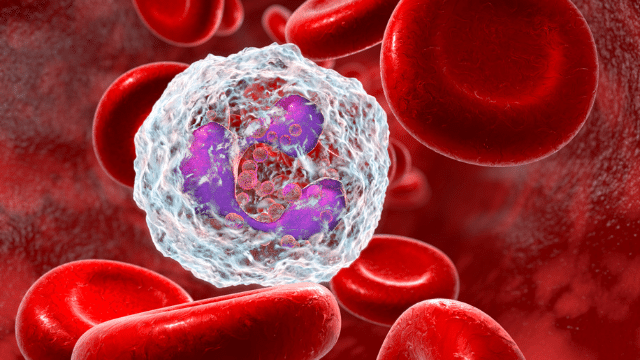
Maitake mushrooms contain beta-glucans, which are powerful bioactive compounds that support your immune system. These compounds stimulate the activity of immune cells, such as neutrophils and monocytes, which play a critical role in defending your body against infections. By enhancing the function of these cells, maitake helps your body respond more effectively to potential threats.
Beta-glucans also promote the production of cytokines, which are signalling molecules that regulate immune responses. This process ensures that your immune system remains balanced and ready to combat harmful pathogens. Regular consumption of maitake, whether through supplements or meals, can strengthen your immunity and contribute to overall health.
Antioxidant properties and their role in reducing inflammation
Maitake mushrooms are rich in antioxidants, including phenolic compounds and polysaccharides, which protect your cells from oxidative stress. Oxidative stress occurs when free radicals damage your cells, leading to chronic conditions like cancer and cardiovascular diseases. By neutralising these harmful molecules, maitake helps maintain cellular health and reduces the risk of long-term damage.
The anti-inflammatory properties of maitake further enhance its health benefits. Chronic inflammation is a key factor in many diseases, including arthritis, diabetes, and cancer. Maitake’s bioactive compounds work to suppress inflammatory pathways in your body, reducing swelling and discomfort. These anti-inflammatory effects make maitake a valuable addition to your diet, especially if you are looking to manage inflammation-related conditions.
Potential benefits for weight management and cardiovascular health
Maitake mushroom extract may support weight management by promoting satiety and boosting metabolism. The polysaccharides in maitake help regulate appetite, making you feel fuller for longer periods. This can reduce overeating and support healthy weight control. Additionally, maitake has been linked to improved fat metabolism, which may aid in maintaining a healthy body weight.
Cardiovascular health is another area where maitake shows promise. Its anti-inflammatory effects help reduce inflammation in blood vessels, lowering the risk of heart disease. Maitake also contains compounds that may improve lipid profiles by reducing bad cholesterol (LDL) levels and increasing good cholesterol (HDL). These actions contribute to better heart health and reduced risk of cardiovascular complications.
The anticancer potential of maitake further highlights its versatility. Research suggests that maitake’s bioactive compounds may inhibit the growth of cancer cells and enhance the effectiveness of certain treatments. While more studies are needed, maitake’s role in cancer prevention and management adds to its impressive list of health benefits.
By incorporating maitake into your routine, you can enjoy its diverse benefits, from supporting your immune system to promoting heart health and managing weight. This medicinal mushroom offers a natural way to enhance your well-being and protect against various health challenges.
Maitake mushroom extract offers a natural and promising approach to managing blood sugar levels. Its bioactive compounds, particularly beta-glucans, enhance insulin sensitivity and support glucose regulation. By improving pancreatic function and reducing glucose absorption, maitake provides significant benefits for individuals aiming to maintain better metabolic health. While its potential in addressing diabetes is supported by research, responsible use is essential. Always consult a healthcare professional before incorporating it into your routine, especially if you take medications. Maitake not only aids in blood sugar control but also contributes to broader health benefits, making it a valuable addition to your wellness journey.
FAQ
What are the potential side effects of taking Maitake mushroom supplements?
Maitake mushrooms are generally safe for most people. However, some individuals may experience mild side effects. These can include nausea or digestive discomfort, especially when you first start taking them. If you notice any unusual symptoms, it is best to stop using the supplement and consult a healthcare professional.
Can Maitake mushroom supplements interact with medications?
Yes, Maitake mushroom supplements may interact with certain medications. For example, if you are taking diabetes medications, Maitake’s ability to lower blood sugar could enhance the effects of these drugs, potentially leading to hypoglycaemia. Additionally, Maitake may interact with blood thinners or immunosuppressants. Always consult your doctor before adding Maitake to your routine.
How should I take Maitake mushroom extract for blood sugar management?
You can take Maitake mushroom extract in various forms, such as capsules, powders, or liquid extracts. Experts recommend a daily dosage of 1-1.5 grams for adults. Divide this amount into smaller doses throughout the day for optimal results. Always follow the instructions on the product label and seek advice from a healthcare provider if you are unsure.
Can I consume Maitake mushrooms as food instead of supplements?
Yes, you can enjoy Maitake mushrooms as part of your diet. Fresh or dried Maitake mushrooms can be added to soups, stir-fries, or teas. While consuming them as food provides health benefits, supplements offer a more concentrated dose of bioactive compounds, which may be more effective for specific health goals like blood sugar management.
Are Maitake mushrooms suitable for everyone?
Maitake mushrooms are not suitable for everyone. Pregnant or breastfeeding women should avoid them due to limited research on their safety during these stages. Additionally, individuals with mushroom allergies or those taking medications that interact with Maitake should refrain from using it. Always consult a healthcare professional to determine if Maitake is right for you.
How long does it take to see results from Maitake mushroom extract?
The time it takes to notice results can vary depending on your health condition and how consistently you use the supplement. Some people report improvements in blood sugar levels within a few weeks, while others may take longer. Regular use, combined with a healthy lifestyle, can help you achieve the best outcomes.
Can Maitake mushroom extract help with other health conditions?
Yes, Maitake mushroom extract offers benefits beyond blood sugar management. Its bioactive compounds, such as beta-glucans, support immune function and reduce inflammation. Maitake may also aid in weight management, improve cardiovascular health, and provide antioxidant protection. These additional benefits make it a versatile supplement for overall well-being.
Is Maitake mushroom extract safe for long-term use?
Maitake mushroom extract is considered safe for long-term use when taken at recommended dosages. However, it is essential to monitor your body’s response and consult a healthcare provider periodically. This ensures that the supplement continues to meet your health needs without causing any adverse effects.
Can I take Maitake mushroom extract alongside other supplements?
You can take Maitake mushroom extract with other supplements, but it is crucial to ensure there are no interactions. For example, combining Maitake with other blood sugar-lowering supplements could amplify their effects, leading to low blood sugar. Discuss your supplement regimen with a healthcare professional to avoid potential issues.
Where can I buy high-quality Maitake mushroom supplements?
You can find high-quality Maitake mushroom supplements in health food stores, pharmacies, or online. Look for products from reputable brands that provide third-party testing and certifications. Choose organic options whenever possible to ensure purity and potency. Reading customer reviews can also help you make an informed decision.